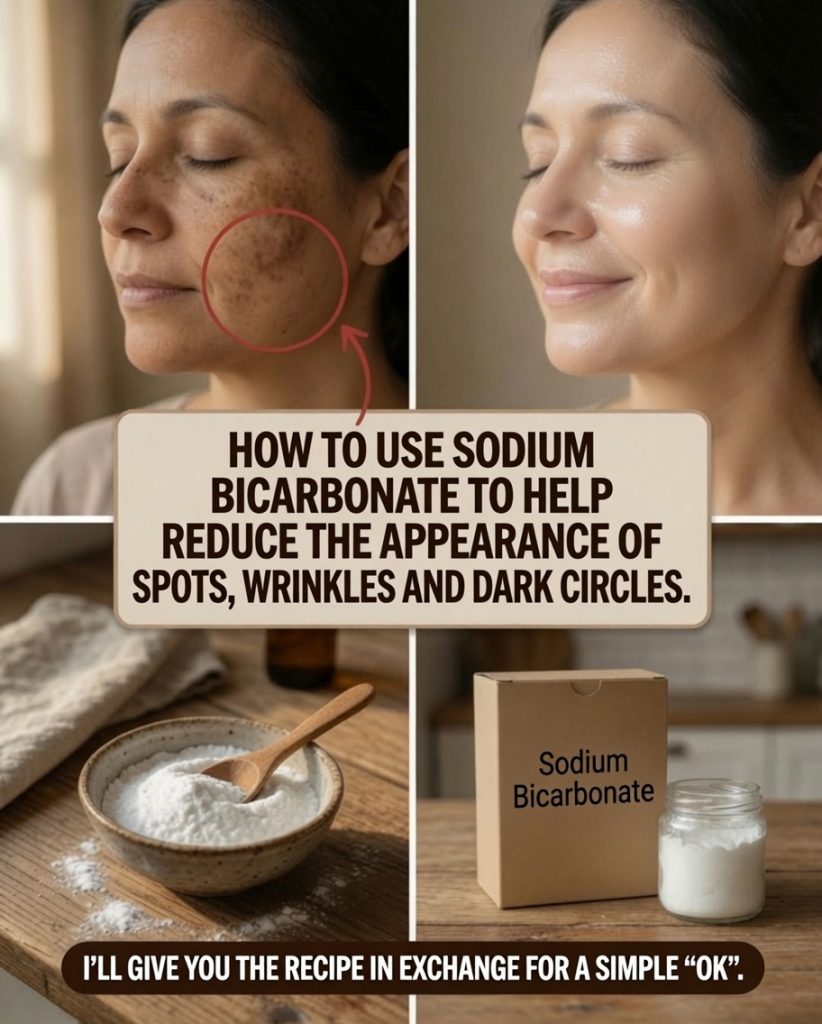
Baking Soda for Your Face: Benefits, Risks, and How to Use It Safely
Baking soda is a common household ingredient found in kitchens around the world. Beyond baking and cleaning, it has become a popular topic in DIY skincare, with many people using it as a homemade facial exfoliant.
Social media is filled with claims that baking soda can brighten the skin, reduce dark spots, smooth fine lines, and even fight acne. However, dermatologists caution that while baking soda may temporarily improve skin texture by removing dead skin cells, it can also disrupt the skin’s natural protective barrier if used incorrectly.
If you’re considering adding baking soda to your skincare routine, it’s important to understand both its potential benefits and its limitations.
This guide explains what baking soda does to the skin, how to use it carefully, and when you should choose safer alternatives.
What Is Baking Soda?
Baking soda, also known as sodium bicarbonate, is a fine white powder commonly used in cooking, cleaning, and household remedies.
It has an alkaline pH of approximately 8 to 9, while healthy skin naturally maintains a slightly acidic pH of around 4.5 to 5.5.
Because of this difference, frequent use on the skin may interfere with the skin’s natural barrier and moisture balance.
Can Baking Soda Benefit Your Skin?
When used occasionally and gently, baking soda may provide a few temporary cosmetic benefits.
1. Mild Physical Exfoliation
The fine particles help remove surface dead skin cells through gentle physical exfoliation.
After use, some people notice:
- Softer-feeling skin
- A smoother texture
- A temporary brighter appearance
These effects are cosmetic and do not change the deeper layers of the skin.
2. Removes Surface Buildup
By exfoliating away dead skin cells, baking soda may help reduce the buildup of dirt, oil, and cosmetic residue on the skin’s surface.
3. Affordable and Easy to Find
One reason baking soda remains popular in home skincare is its low cost and wide availability.
What Baking Soda Cannot Do
Although many online posts make dramatic claims, there is no strong scientific evidence that baking soda can:
- Permanently remove dark spots
- Eliminate wrinkles
- Stimulate collagen production
- Reverse skin aging
- Lighten pigmentation deep within the skin
- Cure acne
Any improvement in skin appearance is generally temporary and related to surface exfoliation.
Potential Risks of Using Baking Soda on Your Face
Because baking soda is alkaline, excessive or frequent use can cause unwanted side effects.
Possible risks include:
- Dryness
- Tightness
- Redness
- Burning or stinging
- Skin irritation
- Increased sensitivity to sunlight
- Damage to the skin’s protective barrier
People with sensitive skin may experience irritation after only one application.
Who Should Avoid It?
Baking soda is generally not recommended for people with:
- Rosacea
- Eczema
- Psoriasis
- Very dry skin
- Broken or irritated skin
- Active inflammatory acne
If you have any chronic skin condition, consult a dermatologist before trying homemade exfoliating treatments.
How to Perform a Patch Test
Before applying baking soda to your face:
- Prepare a small amount of the mixture.
- Apply it to the inside of your forearm.
- Wait 24 hours.
- If redness, itching, burning, or swelling develops, do not use it on your face.
Patch testing helps reduce the risk of unexpected reactions.
Basic Baking Soda Facial Scrub
Ingredients
- 1 teaspoon baking soda
- 2–3 teaspoons water
Optional alternatives to water:
- Plain yogurt
- Honey
- Aloe vera gel
These ingredients may help make the mixture gentler on the skin.
Directions
- Wash your face with a gentle cleanser.
- Mix the ingredients into a smooth paste.
- Apply using light circular motions.
- Avoid the eyes and lips.
- Massage for no more than one minute.
- Rinse thoroughly with lukewarm water.
- Pat the skin dry.
- Immediately apply a moisturizer.
If using the scrub during the daytime, finish with a broad-spectrum sunscreen.
Honey and Baking Soda Mask
People with normal or slightly dry skin sometimes combine baking soda with honey.
Ingredients
- 1 teaspoon baking soda
- 1 tablespoon raw honey
Honey acts as a natural humectant, helping the skin retain moisture.
Apply for three to five minutes before rinsing thoroughly.
Baking Soda and Coconut Oil
Another popular variation combines:
- 1 teaspoon baking soda
- 1 teaspoon virgin coconut oil
The oil helps reduce the drying effect of baking soda.
However, coconut oil may clog pores in acne-prone skin, so use caution.
How Often Should You Use It?
If your skin tolerates baking soda well, limit use to:
- Once every one or two weeks
More frequent application increases the likelihood of irritation and damage to the skin barrier.
Baking Soda vs. Chemical Exfoliants
| Feature | Baking Soda | AHA/BHA Exfoliants |
|---|---|---|
| Type | Physical exfoliation | Chemical exfoliation |
| Cost | Very affordable | Moderate |
| Scientific evidence | Limited | Strong |
| Risk of irritation | Moderate to high if overused | Lower when chosen appropriately |
| Frequency | Every 1–2 weeks | 1–3 times weekly, depending on product |
Many dermatologists recommend gentle chemical exfoliants because they are formulated to work within the skin’s natural pH range.
Better Alternatives for Healthy Skin
If your goal is brighter, smoother skin, consider products with ingredients supported by stronger scientific evidence, including:
- Lactic acid
- Glycolic acid
- Salicylic acid
- Niacinamide
- Vitamin C
- Retinol (used as directed)
- Ceramides for barrier repair
These ingredients are commonly found in dermatologist-recommended skincare products.
Frequently Asked Questions
Can baking soda remove dark spots?
Not permanently. It may temporarily brighten the skin by removing dead surface cells, but it does not treat hyperpigmentation.
Does baking soda reduce wrinkles?
No. Baking soda cannot stimulate collagen production or reverse signs of aging.
Can I use baking soda around my eyes?
No. The skin around the eyes is extremely delicate and more likely to become irritated.
Is baking soda good for acne?
There is no strong evidence that baking soda effectively treats acne. Because it may damage the skin barrier, many dermatologists recommend using proven acne treatments instead.
Safety Tips
For safer use:
- Always patch test first.
- Never scrub aggressively.
- Avoid using it on irritated or damaged skin.
- Moisturize immediately afterward.
- Wear sunscreen daily.
- Stop use if irritation develops.
Healthy skin depends more on consistency than harsh treatments.
Final Thoughts
Baking soda can provide mild exfoliation and temporarily improve the feel of the skin, but it should be used cautiously. Its alkaline nature can disrupt the skin’s natural barrier, especially with frequent use or on sensitive skin.
If you choose to experiment with baking soda, keep applications brief, infrequent, and gentle. Pair it with a fragrance-free moisturizer and daily sun protection to help maintain a healthy skin barrier.
For concerns such as persistent acne, dark spots, rosacea, or visible signs of aging, consulting a dermatologist and using evidence-based skincare products is generally the safest and most effective approach.
Disclaimer: This article is for informational and educational purposes only and should not be considered medical advice. Homemade skincare treatments may not be suitable for every skin type. If you experience persistent irritation or have an underlying skin condition, consult a qualified dermatologist before trying DIY facial remedies.