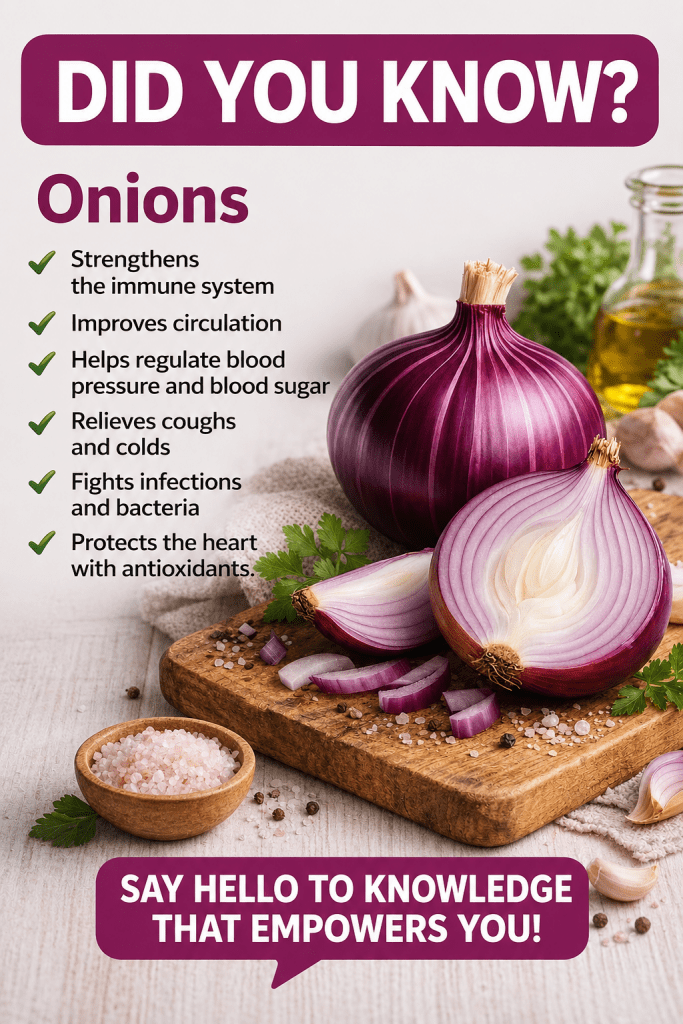
Purple Onion Benefits: Nutrition, Health Advantages, and the Best Ways to Enjoy It
Purple onions are more than just a colorful addition to salads and sandwiches. Packed with antioxidants, vitamins, minerals, and beneficial plant compounds, they offer a wide range of nutritional benefits that can support overall health when included as part of a balanced diet.
Known for their mild sweetness and vibrant color, purple onions have been used in traditional cuisines around the world for centuries. Modern research continues to explore how their naturally occurring compounds may contribute to heart health, digestive wellness, and protection against oxidative stress.
In this guide, you’ll discover the nutritional value of purple onions, their potential health benefits, the best ways to eat them, and a few precautions to keep in mind.
What Makes Purple Onions So Nutritious?
Purple onions stand out because of their deep reddish-purple color, which comes from powerful plant pigments called anthocyanins.
They also provide several other beneficial compounds, including:
- Anthocyanins
- Quercetin
- Sulfur-containing compounds
- Dietary fiber
- Prebiotics
- Vitamin C
- Manganese
- Potassium
Together, these nutrients make purple onions a healthy choice for everyday meals.
Potential Health Benefits of Purple Onions
1. Rich in Antioxidants
Purple onions contain a variety of antioxidants that help protect the body’s cells from oxidative stress caused by free radicals.
A diet rich in antioxidant-containing foods may support healthy aging and overall wellness.
2. Supports Heart Health
The flavonoids and sulfur compounds found in onions have been studied for their potential role in supporting cardiovascular health.
Regular consumption of vegetables such as onions may help maintain:
- Healthy blood vessel function
- Normal blood pressure as part of a healthy lifestyle
- Healthy cholesterol levels when combined with a balanced diet
Heart health depends on many lifestyle factors, including exercise, nutrition, and avoiding tobacco use.
3. May Help Support Healthy Blood Sugar Levels
Some research suggests that compounds naturally found in onions, including quercetin and sulfur-containing substances, may contribute to healthy glucose metabolism.
While promising, onions should never replace medications or professional medical care for diabetes.
4. Promotes Digestive Health
Purple onions are a natural source of prebiotic fiber, which feeds beneficial bacteria living in the digestive tract.
A healthy gut microbiome supports:
- Normal digestion
- Regular bowel movements
- Nutrient absorption
- Overall digestive comfort
Including prebiotic-rich foods in your diet may help maintain a balanced intestinal environment.
5. Supports the Immune System
Vitamin C, antioxidants, and plant compounds found in purple onions help support the body’s normal immune function.
A nutrient-rich diet plays an important role in helping the immune system function effectively throughout the year.
6. May Help Support the Body’s Natural Inflammatory Response
Quercetin is one of the most researched flavonoids found in onions.
Scientists continue studying its potential anti-inflammatory properties and its role in supporting overall health.
Although more research is needed, including a variety of colorful vegetables in your meals is widely recommended.
7. Supports Healthy Skin and Hair
The antioxidants found in purple onions help protect cells from oxidative stress, while vitamin C contributes to normal collagen production.
Collagen is an important structural protein that supports healthy skin.
A nutritious diet containing fruits and vegetables provides essential nutrients that contribute to healthy skin and hair.
8. May Contribute to Long-Term Wellness
Research continues to investigate whether diets rich in vegetables containing flavonoids and anthocyanins are associated with a lower risk of certain chronic diseases.
Rather than relying on a single “superfood,” experts recommend eating a wide variety of colorful plant foods for the greatest health benefits.
How to Eat Purple Onions
Purple onions are incredibly versatile and can be enjoyed in many ways.
Raw in Salads
Eating them raw helps preserve heat-sensitive nutrients while adding crunch and flavor.
They pair well with:
- Tomatoes
- Cucumbers
- Avocados
- Leafy greens
- Citrus dressings
Sandwiches and Wraps
Thin slices add freshness and mild sweetness to:
- Whole-grain sandwiches
- Burgers
- Chicken wraps
- Veggie wraps
Homemade Pickled Onions
Quick-pickled purple onions make an excellent topping for tacos, grain bowls, salads, and grilled vegetables.
Fresh Salsas
Dice them into homemade salsa with tomatoes, cilantro, and lime juice for a flavorful side dish.
Smoothies and Vegetable Juices
Although less common, small amounts of purple onion may be included in savory vegetable juices alongside:
- Carrots
- Celery
- Cucumbers
- Lemon
Should You Eat Purple Onions Raw or Cooked?
Both methods offer benefits.
Raw Onions
- Preserve more vitamin C
- Maintain a crisp texture
- Deliver a stronger flavor
Cooked Onions
- Become sweeter and easier to digest for some people
- Blend well into soups, stir-fries, and roasted dishes
Avoid prolonged high-heat cooking if your goal is to retain as many beneficial plant compounds as possible.
Are There Any Side Effects?
Purple onions are safe for most people when consumed as part of a balanced diet.
However, some individuals may experience:
- Gas or bloating
- Mild digestive discomfort
- Heartburn
- Temporary bad breath
People with irritable bowel syndrome (IBS) or sensitivity to high-FODMAP foods may need to limit onion intake.
Although uncommon, onion allergies can occur.
Frequently Asked Questions
Are purple onions healthier than white onions?
Both varieties are nutritious, but purple onions generally contain higher levels of anthocyanins, the antioxidants responsible for their vibrant color.
Can I eat purple onions every day?
Yes. For most healthy adults, moderate daily consumption as part of a varied diet is perfectly acceptable.
Do cooked onions lose nutrients?
Cooking can reduce certain heat-sensitive nutrients, but cooked onions still provide fiber, minerals, and many beneficial plant compounds.
Can onions prevent disease?
No single food can prevent disease. Purple onions contribute to a healthy dietary pattern that supports overall wellness.
Tips for Including More Purple Onions in Your Diet
Simple ways to enjoy more purple onions include:
- Add them to salads several times a week.
- Top avocado toast with thin slices.
- Mix into grain bowls.
- Include them in homemade salsa.
- Add them to wraps and sandwiches.
- Make refrigerator pickled onions for easy meal preparation.
Final Thoughts
Purple onions are a nutritious, affordable, and flavorful vegetable that deserves a regular place on your plate. Rich in antioxidants, fiber, and beneficial plant compounds such as quercetin and anthocyanins, they support overall health as part of a balanced eating pattern.
Whether enjoyed raw in salads, lightly cooked in meals, or pickled for added flavor, purple onions provide an easy way to increase your intake of plant-based nutrients without relying on supplements.
For the greatest health benefits, combine a diet rich in colorful vegetables with regular exercise, quality sleep, proper hydration, and routine medical care.
Disclaimer: This article is intended for informational and educational purposes only and should not be considered medical advice. Purple onions are not intended to diagnose, treat, cure, or prevent any disease. If you have digestive disorders, food allergies, or take medications that require dietary adjustments, consult your healthcare provider before making significant dietary changes.