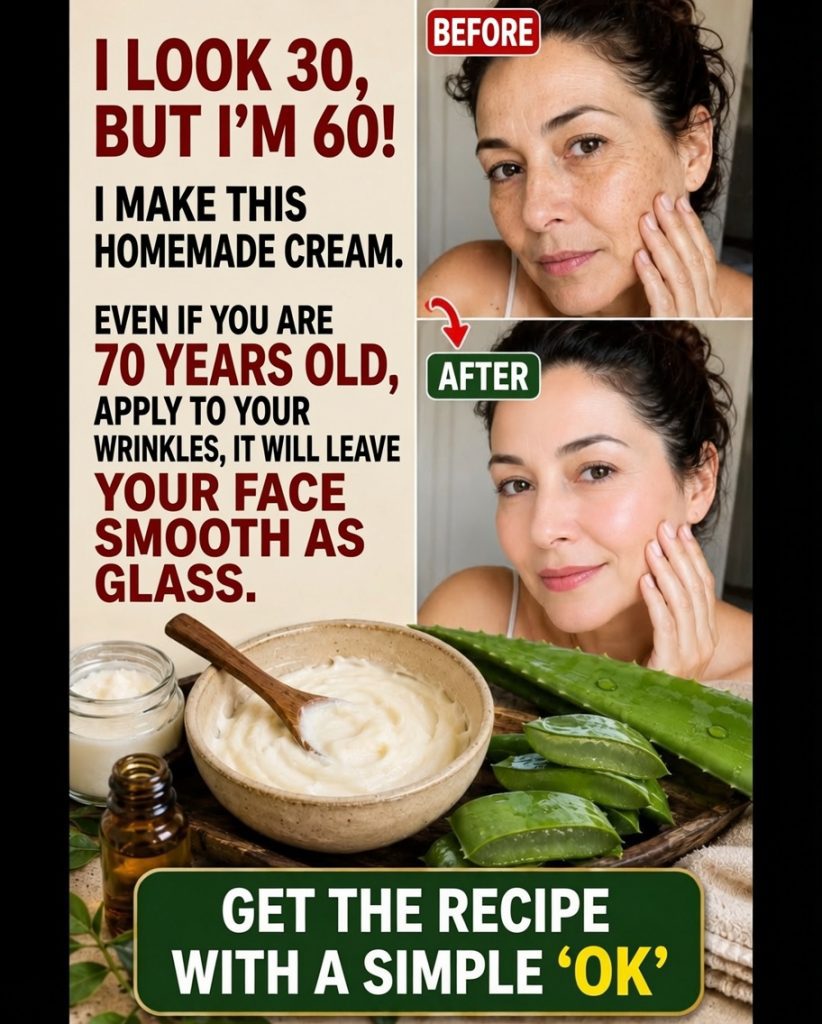
🌿 DIY Baking Soda Skin Cream: A Simple Natural Recipe for Softer, Smoother-Looking Skin
Natural skincare continues to gain popularity among people looking for affordable and simple ways to care for their skin at home. One homemade beauty treatment that often attracts attention is a baking soda skin cream made with moisturizing ingredients such as coconut oil and aloe vera.
Many people enjoy this easy DIY recipe because it combines gentle exfoliation with hydration, helping the skin feel refreshed and smooth when used appropriately.
While baking soda is not suitable for everyone and should be used cautiously, some individuals incorporate it into occasional skincare routines to help remove surface buildup and improve the appearance of dull skin.
🌱 Why Is Baking Soda Used in Homemade Skincare?
Baking soda, also known as sodium bicarbonate, has a fine texture that can provide mild physical exfoliation when applied gently.
Supporters of natural skincare often use it to help:
- Remove dead skin cells
- Improve the appearance of rough skin
- Clean away surface impurities
- Promote a smoother skin texture
- Refresh dull-looking skin
However, because baking soda is alkaline, it may disrupt the skin’s natural barrier if used too frequently or on sensitive skin types.
Moderation is essential.
✨ Potential Benefits of a Baking Soda Face Cream
When used carefully and occasionally, this homemade mixture may help:
✔ Exfoliate surface dead skin cells
✔ Leave skin feeling softer
✔ Improve the appearance of uneven texture
✔ Refresh dull-looking skin
✔ Support a cleaner-feeling complexion
✔ Complement a simple self-care routine
Results vary from person to person depending on skin type and sensitivity.
🥥 Ingredients for the Homemade Baking Soda Cream
This easy recipe combines baking soda with moisturizing ingredients to create a gentler skincare treatment.
Ingredients
- 1 tablespoon baking soda
- 1 tablespoon coconut oil (or another skin-friendly moisturizer)
- Optional: a few drops of vitamin E oil
- Optional: 1 teaspoon pure aloe vera gel
Using moisturizing ingredients may help balance some of the drying effects associated with baking soda.
👩🍳 How to Prepare the Cream
Step 1
Place the baking soda into a small clean bowl.
Step 2
Add the coconut oil or your preferred natural moisturizer.
Step 3
If desired, add vitamin E oil or aloe vera gel.
Step 4
Mix thoroughly until a smooth, creamy consistency forms.
The mixture should be easy to spread without being overly thick.
🧴 How to Apply
- Wash your face with a gentle cleanser.
- Pat the skin dry.
- Apply a thin layer of the cream using light circular motions.
- Avoid the eye area and sensitive skin.
- Leave on for 5–10 minutes.
- Rinse thoroughly with lukewarm water.
- Follow with a gentle moisturizer if needed.
Many people choose to use this type of treatment no more than once or twice per week.
🌿 Understanding the Ingredients
Baking Soda
Baking soda acts as a mild exfoliant by helping remove surface dead skin cells.
Potential role:
- Temporary smoothing effect
- Gentle physical exfoliation
- Fresher-looking skin appearance
Coconut Oil
Coconut oil is widely used in natural beauty routines because of its moisturizing properties.
Potential role:
- Softening dry skin
- Helping reduce moisture loss
- Supporting skin comfort
Aloe Vera
Aloe vera is valued for its soothing and hydrating qualities.
Potential role:
- Providing lightweight hydration
- Supporting skin comfort
- Refreshing the appearance of the skin
Vitamin E
Vitamin E is commonly included in skincare products due to its antioxidant properties.
Potential role:
- Supporting skin conditioning
- Helping protect against environmental stressors
💡 Additional Tips for Healthier-Looking Skin
Beautiful skin often reflects consistent daily habits.
Consider incorporating these practices into your routine:
Stay Hydrated
Drinking enough water supports overall skin health.
Eat a Nutrient-Rich Diet
Fruits, vegetables, healthy fats, and protein contribute important nutrients for the skin.
Protect Your Skin from the Sun
Daily sunscreen use remains one of the most effective ways to support long-term skin health.
Prioritize Sleep
Quality sleep allows the body to carry out essential repair processes.
Use Gentle Skincare Products
Choose products suited to your skin type and avoid over-exfoliation.
⚠️ Important Safety Considerations
Before trying any homemade skincare treatment, keep these precautions in mind.
Perform a Patch Test
Apply a small amount to the inside of your arm and wait 24 hours to check for irritation.
Sensitive Skin Warning
Baking soda may not be suitable for:
- Sensitive skin
- Very dry skin
- Skin prone to irritation
- Individuals with eczema or rosacea
Avoid Overuse
Frequent use may contribute to:
- Dryness
- Redness
- Irritation
- Disruption of the skin barrier
Stop Use if Irritation Occurs
Discontinue immediately if you experience discomfort, burning, itching, or redness.
Consult a dermatologist if symptoms persist.
🌟 Final Thoughts
This DIY baking soda skin cream is a simple, budget-friendly recipe that combines mild exfoliation with moisturizing ingredients. When used occasionally and with care, it may help improve the feel and appearance of the skin as part of a balanced skincare routine.
However, natural does not always mean suitable for every skin type. Listening to your skin, practicing moderation, and prioritizing gentle care are key to maintaining healthy-looking skin over time.
Skincare is not only about appearance—it can also be a relaxing act of self-care that helps you feel refreshed and confident.
Have You Tried Homemade Skincare Recipes?
Share your experiences and favorite natural beauty tips in the comments. Your ideas may inspire others to discover simple and mindful ways to care for their skin.
Disclaimer
This article is intended for informational purposes only and does not constitute medical or dermatological advice. Individual results may vary. Always perform a patch test before using homemade skincare products and consult a qualified dermatologist if you have sensitive skin or ongoing skin concerns.