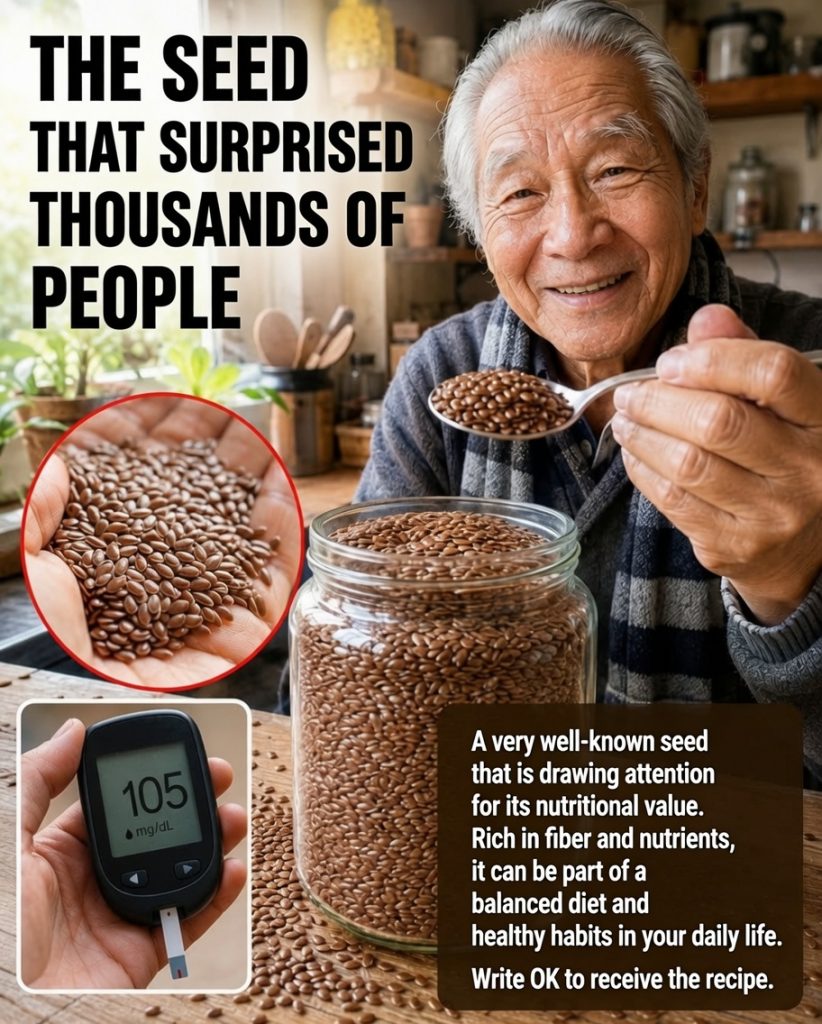
Tiny but packed with nutrition, seeds are among the most nutrient-dense foods you can add to your diet. Whether sprinkled over yogurt, blended into smoothies, or added to salads and baked goods, seeds provide fiber, healthy fats, plant protein, vitamins, minerals, and antioxidants that support overall wellness.
In recent years, some social media posts have claimed that certain seeds can cure serious illnesses, including cancer. However, current scientific evidence does not support these claims.
What research does show is that regularly eating nutrient-rich seeds as part of a balanced diet may help support heart health, digestive function, blood sugar management, and overall metabolic wellness.
Let’s take a closer look at five of the most popular edible seeds and what science actually says about their health benefits.
Why Seeds Are Considered Nutritional Powerhouses
Despite their small size, seeds are naturally rich in important nutrients, including:
- Dietary fiber
- Plant-based omega-3 fatty acids
- Healthy unsaturated fats
- Plant protein
- Magnesium
- Calcium
- Zinc
- Iron
- Vitamin E
- B vitamins
- Antioxidants
These nutrients work together to support many essential functions throughout the body.
1. Chia Seeds
Chia seeds have become one of the world’s most popular superfoods because they offer an impressive nutritional profile.
They are naturally rich in:
- Soluble fiber
- Plant-based omega-3 fatty acids (ALA)
- Protein
- Calcium
- Magnesium
- Phosphorus
- Antioxidants
Potential Health Benefits
Supports Digestive Health
The high fiber content helps promote regular bowel movements while supporting a healthy gut microbiome.
Helps Maintain Healthy Blood Sugar
Fiber slows digestion, which may help reduce rapid spikes in blood glucose after meals when consumed as part of a balanced diet.
Supports Heart Health
Some research suggests chia seeds may contribute to healthy cholesterol levels and cardiovascular wellness.
Provides Long-Lasting Energy
The combination of fiber, protein, and healthy fats helps promote satiety and sustained energy.
2. Flaxseeds
Flaxseeds are especially valued for their high concentration of lignans, naturally occurring plant compounds with antioxidant properties.
They also provide:
- Omega-3 fatty acids
- Soluble and insoluble fiber
- Protein
- Magnesium
- Manganese
Potential Health Benefits
Promotes Healthy Digestion
Its fiber supports regular bowel function and nourishes beneficial gut bacteria.
Supports Cardiovascular Wellness
Research suggests flaxseed may help maintain healthy cholesterol levels and support normal blood vessel function.
Provides Antioxidant Protection
Lignans help protect cells from oxidative stress caused by free radicals.
Supports Hormonal Health
Because lignans are phytoestrogens, researchers continue to study their role in women’s health during different stages of life.
What About Cancer Research?
Some studies have explored flaxseed’s potential role in supporting overall health during breast and prostate cancer treatment. However, there is currently no evidence that flaxseed prevents, treats, or cures cancer, and it should never replace medical care.
3. Pumpkin Seeds
Pumpkin seeds are a nutrient-rich snack enjoyed in many cuisines around the world.
They contain:
- Zinc
- Magnesium
- Iron
- Healthy fats
- Plant protein
- Tryptophan
- Antioxidants
Potential Health Benefits
Supports Immune Function
Zinc plays an essential role in maintaining a healthy immune system.
Supports Prostate Health
Pumpkin seeds have traditionally been associated with urinary and prostate health, and ongoing research continues to investigate this relationship.
Promotes Better Sleep
Tryptophan is an amino acid involved in the production of serotonin and melatonin, two compounds important for healthy sleep.
Supports Heart Health
Healthy unsaturated fats contribute to cardiovascular wellness when replacing saturated fats in the diet.
4. Sesame Seeds
Sesame seeds have been used in cooking for thousands of years and provide an impressive variety of nutrients.
They contain:
- Calcium
- Iron
- Magnesium
- Copper
- Vitamin B1
- Healthy fats
- Lignans
Potential Health Benefits
Supports Strong Bones
Calcium and magnesium contribute to normal bone maintenance.
Supports Heart Health
Unsaturated fats help maintain healthy cholesterol levels as part of a balanced eating pattern.
Provides Essential Minerals
Sesame seeds supply minerals involved in muscle function, nerve signaling, and energy production.
Rich in Antioxidants
Their plant compounds help protect cells from oxidative damage.
5. Poppy Seeds
Poppy seeds are tiny but nutrient-dense.
They naturally provide:
- Calcium
- Iron
- Manganese
- Phosphorus
- Healthy fats
- Dietary fiber
Potential Health Benefits
Supports Bone Health
Calcium and phosphorus contribute to healthy bones and teeth.
Supports Energy Metabolism
B vitamins and minerals help convert food into usable energy.
Adds Nutrient Density
Even small servings provide meaningful amounts of important nutrients.
What Does Science Really Say About Seeds and Cancer?
It’s important to separate evidence from myths.
Current scientific research shows:
- Diets rich in fruits, vegetables, whole grains, legumes, nuts, and seeds are associated with better overall health.
- High-fiber diets may help reduce the risk of colorectal cancer.
- Antioxidant-rich foods help protect cells from oxidative stress.
- Healthy dietary patterns support long-term metabolic and cardiovascular health.
However, no seed has been proven to cure, eliminate, or reverse cancer.
Cancer treatment should always be guided by qualified healthcare professionals and may include:
- Surgery
- Radiation therapy
- Chemotherapy
- Immunotherapy
- Targeted therapies
- Other evidence-based medical treatments
Nutrition plays an important supportive role but does not replace medical care.
Easy Ways to Add More Seeds to Your Diet
Incorporating seeds into everyday meals is simple.
Try adding them to:
- Oatmeal
- Yogurt
- Smoothies
- Salads
- Homemade bread
- Soups
- Breakfast bowls
- Trail mix
- Whole-grain cereals
For the best nutritional value, choose unsalted, minimally processed varieties whenever possible.
Are There Any Precautions?
Although seeds are healthy for most people, moderation is still important.
Keep in mind:
- Increase fiber intake gradually.
- Drink plenty of water when eating high-fiber foods.
- Some people may have seed allergies.
- Individuals taking blood-thinning medications should consult their healthcare provider before significantly increasing foods high in omega-3 fatty acids.
- Whole flaxseeds may pass through the digestive tract without being fully digested, so ground flaxseed is often easier for the body to absorb.
Frequently Asked Questions
Which seed contains the most omega-3?
Among these five, flaxseeds generally contain the highest amount of plant-based omega-3 fatty acids (ALA), followed by chia seeds.
Can eating seeds lower cholesterol?
Research suggests that regularly consuming seeds as part of a heart-healthy diet may help support healthy cholesterol levels.
Can seeds help control blood sugar?
The fiber and healthy fats in many seeds may help support healthy blood sugar management when combined with an overall balanced diet.
Can seeds prevent cancer?
No. While healthy eating patterns that include seeds are associated with better long-term health, no seed has been proven to prevent or cure cancer.
Final Thoughts
Chia, flaxseed, pumpkin, sesame, and poppy seeds are among the most nutritious foods you can include in your daily meals. They provide valuable fiber, healthy fats, antioxidants, minerals, and plant protein that support digestive health, cardiovascular wellness, metabolism, and overall well-being.
Rather than viewing them as miracle cures, think of these seeds as part of a healthy lifestyle that includes:
- A balanced diet
- Regular physical activity
- Quality sleep
- Stress management
- Routine preventive healthcare
When combined with these healthy habits, adding a variety of nutrient-rich seeds to your diet is a simple, science-supported way to nourish your body every day.