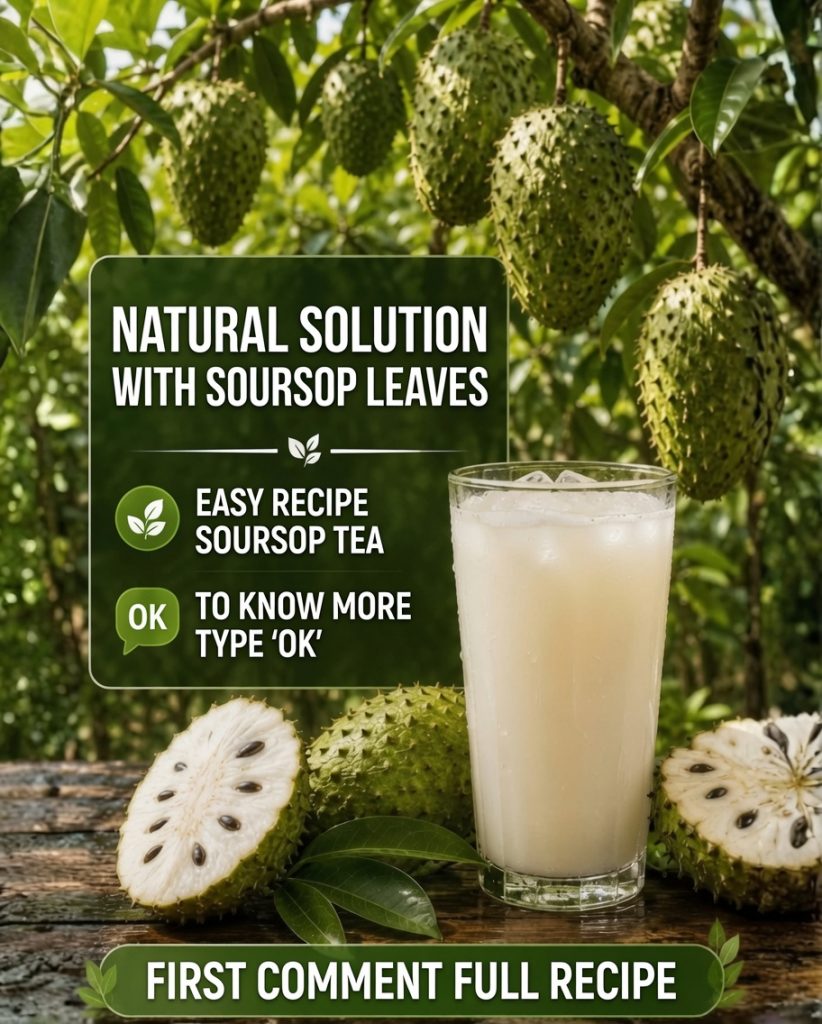
Discover the Traditional Benefits of Soursop Leaves
When people think of soursop (also known as graviola), they often picture its delicious tropical fruit. However, the leaves of the soursop tree have been used for generations in traditional herbal practices throughout the Caribbean, Central America, and parts of South America.
Today, as more people look for simple ways to complement a healthy lifestyle, soursop leaf tea has gained attention for its naturally occurring plant compounds and antioxidant content. While it is not a medicine or a cure for disease, many enjoy it as part of a balanced wellness routine.
In this guide, you’ll learn about the natural compounds found in soursop leaves, their traditionally recognized benefits, how to prepare herbal tea safely, and important precautions to keep in mind.
Table of Contents
- What Are Soursop Leaves?
- Natural Compounds Found in Soursop Leaves
- 20 Traditional Wellness Benefits
- How to Make Soursop Leaf Tea
- Ingredients
- Preparation Instructions
- How to Drink It
- How Long Can You Use It?
- Why Ginger, Cinnamon, and Lemon Make a Great Combination
- Who May Enjoy This Herbal Tea?
- Important Safety Considerations
- Final Thoughts
What Are Soursop Leaves?
Soursop leaves come from the Annona muricata tree, a tropical plant widely cultivated in warm climates. For centuries, these leaves have been brewed into herbal teas as part of traditional wellness practices.
Modern research has begun exploring the plant’s naturally occurring compounds, although more human studies are still needed to better understand their potential effects.
Rather than viewing soursop leaves as a miracle remedy, many people appreciate them as one component of an overall healthy lifestyle that includes nutritious foods, regular physical activity, quality sleep, and stress management.
Natural Compounds Found in Soursop Leaves
Soursop leaves naturally contain several bioactive plant compounds, including:
- Annonaceous acetogenins
- Natural alkaloids
- Flavonoids
- Tannins
- Polyphenols
- Antioxidants
- Plant-based phytonutrients
These compounds are being studied for their antioxidant properties and their potential role in supporting the body’s normal physiological functions.
Antioxidants help protect cells from oxidative stress caused by everyday environmental factors and normal metabolism.
20 Traditional Wellness Benefits Associated with Soursop Leaves
Based on traditional use and emerging scientific interest, soursop leaf tea is commonly associated with supporting overall wellness in the following ways:
1. May help support the body’s natural balance.
2. Provides antioxidants that support the body’s natural defenses.
3. May help protect cells from oxidative stress.
4. Can promote feelings of relaxation and calm.
5. Enjoyed as a soothing warm evening herbal tea.
6. May support comfortable digestion.
7. Traditionally used to promote joint comfort.
8. May support healthy blood pressure already within the normal range as part of a healthy lifestyle.
9. Supports the body’s natural cleansing processes.
10. May contribute to normal respiratory wellness.
11. Can help promote digestive comfort after meals.
12. Supports healthy circulation.
13. May help maintain normal metabolic function.
14. Antioxidants may help protect skin from everyday oxidative stress.
15. Supports everyday vitality and overall wellness.
16. May help support normal liver function as part of a balanced lifestyle.
17. Helps promote normal nervous system function.
18. May support healthy blood sugar already within the normal range when combined with healthy habits.
19. Supports the body’s natural immune function.
20. Encourages overall comfort and daily well-being.
Important: Soursop leaves are not intended to diagnose, treat, cure, or prevent any disease. They should be viewed as a complementary part of a healthy lifestyle rather than a replacement for professional medical care.
How to Make Soursop Leaf Tea
Preparing soursop leaf tea is simple and allows you to enjoy its mild herbal flavor.
Ingredients
- 10–12 fresh soursop leaves, thoroughly washed
- 1 liter (about 4 cups) of water
- 1 small piece of fresh ginger
- 1 small cinnamon stick
- Juice of half a lemon (optional)
Preparation
- Wash the soursop leaves thoroughly.
- Bring 1 liter of water to a gentle boil.
- Add the leaves, ginger, and cinnamon.
- Simmer over low heat for 10–12 minutes.
- Remove from heat and let steep for another 10 minutes.
- Strain into a cup or pitcher.
- Add fresh lemon juice if desired once the tea has cooled slightly.
Enjoy warm or at room temperature.
Suggested Serving
Many people choose to enjoy:
- One cup in the morning.
- One cup in the evening.
For most adults, limiting intake to no more than two cups daily is a sensible approach unless advised otherwise by a qualified healthcare professional.
How Long Can You Use It?
Traditional herbal routines often suggest:
- Drinking for 7 to 14 consecutive days
- Taking a one-week break afterward
- Avoiding continuous long-term use without professional guidance
Rotating herbal beverages is a common practice in many traditional wellness cultures.
Why Add Ginger, Cinnamon, and Lemon?
These familiar kitchen ingredients pair well with soursop leaves, both in flavor and in traditional wellness practices.
Ginger
Ginger is widely appreciated for its ability to:
- Support comfortable digestion
- Promote a warming sensation
- Contribute to overall digestive wellness
Cinnamon
Cinnamon is commonly included because it may:
- Support normal metabolism
- Complement healthy circulation
- Add a naturally pleasant flavor
Lemon
Fresh lemon contributes:
- Vitamin C
- Natural citrus flavor
- Additional antioxidant compounds
Together, these ingredients create a refreshing herbal beverage that fits well into many healthy daily routines.
Who May Enjoy Soursop Leaf Tea?
Healthy adults who want to include traditional herbal beverages as part of a balanced lifestyle may choose to enjoy soursop leaf tea.
Some people appreciate it as part of routines focused on:
- Daily wellness
- Digestive comfort
- Relaxation
- General immune support
- Maintaining healthy lifestyle habits
Individual experiences may vary.
Important Safety Considerations
Soursop leaf tea is not suitable for everyone.
Avoid or seek medical advice before using it if you:
- Are pregnant or breastfeeding
- Are giving herbal preparations to children
- Have naturally low blood pressure
- Take prescription medications regularly
- Have chronic medical conditions
Always consult a qualified healthcare professional before adding herbal supplements to your routine, especially if you take medications or have ongoing health concerns.
Herbal teas should complement—not replace—professional medical care and prescribed treatments.
Final Thoughts
Soursop leaves have been valued in traditional herbal practices for generations. Their naturally occurring antioxidants and plant compounds continue to attract scientific interest, while many people enjoy them as part of a balanced wellness routine.
Like any herbal ingredient, the best approach is moderation, proper preparation, and realistic expectations. Combined with nutritious eating, regular exercise, adequate sleep, and guidance from healthcare professionals when needed, soursop leaf tea can be one enjoyable way to support everyday well-being.
Nature offers many remarkable plants, and when used responsibly, they can become a meaningful part of a healthy lifestyle. 🌿