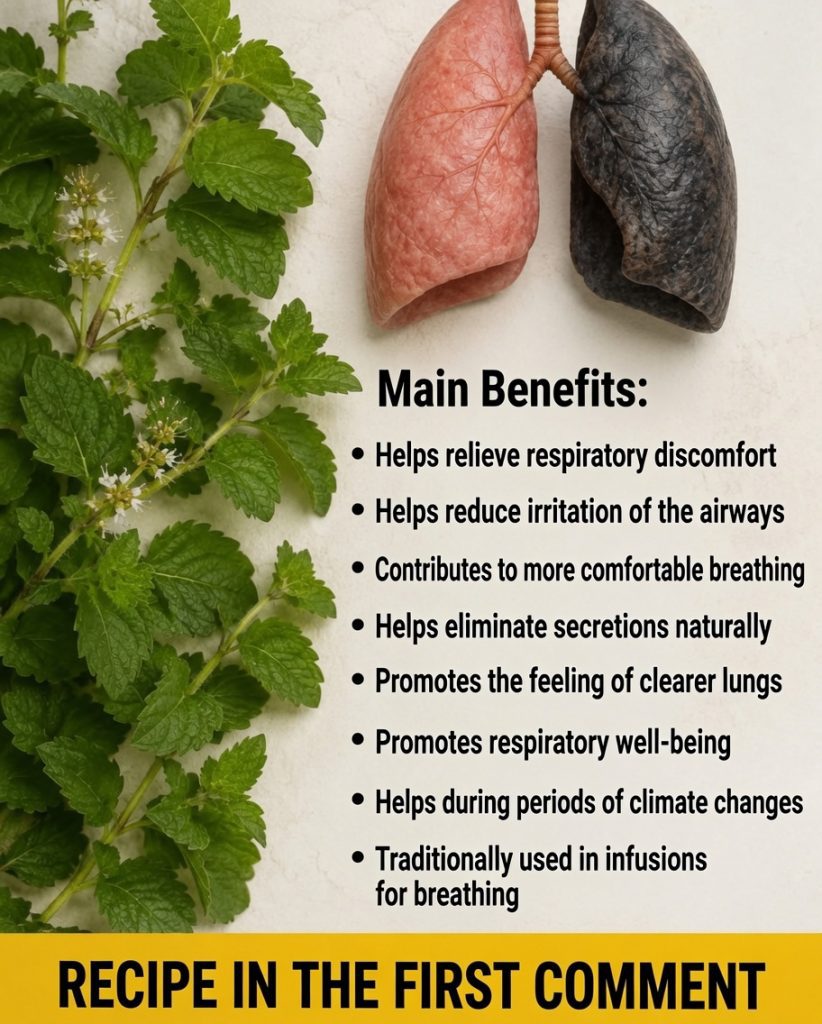
For centuries, people around the world have relied on medicinal plants as part of traditional wellness practices. Among these herbs, Euphorbia hirta has earned attention for its long history of use in tropical regions across Asia, Africa, and Latin America.
Often called asthma weed, this small flowering plant has been used in traditional herbal medicine for respiratory comfort, digestive wellness, and skin care. Modern scientific research has also begun investigating its natural compounds, although many of its traditional uses still require larger human studies.
This article explores what Euphorbia hirta is, its nutritional and botanical characteristics, potential health-supporting properties, traditional preparations, and important safety considerations.
What Is Euphorbia hirta?
Euphorbia hirta is a flowering herb belonging to the Euphorbiaceae family. It grows naturally in warm climates and is commonly found in gardens, fields, roadsides, and open grasslands.
The plant has small green leaves, reddish stems, and tiny clustered flowers. Throughout history, communities have harvested its leaves and aerial parts to prepare herbal teas, decoctions, and topical applications.
Today, researchers continue studying the plant because it contains naturally occurring compounds such as:
- Flavonoids
- Polyphenols
- Tannins
- Terpenoids
- Plant sterols
These compounds have attracted scientific interest due to their antioxidant and other biological activities observed in laboratory studies.
Traditional Uses of Euphorbia hirta
In traditional herbal practices, Euphorbia hirta has been used to support:
- Respiratory comfort
- Digestive wellness
- Skin care
- General relaxation
- Everyday wellness
Traditional use does not necessarily mean effectiveness has been confirmed by modern clinical research. More high-quality human studies are still needed.
Potential Benefits Being Studied
1. May Support Respiratory Comfort
One of the best-known traditional uses of Euphorbia hirta is for respiratory wellness.
In several traditional medical systems, herbal preparations have been consumed to promote comfortable breathing and soothe occasional coughs.
Laboratory research has identified plant compounds that may influence smooth muscle activity, but additional human clinical studies are needed before conclusions can be made regarding respiratory conditions.
People with asthma or chronic lung disease should always follow their healthcare provider’s treatment plan rather than relying on herbal remedies.
2. Contains Natural Antioxidants
Euphorbia hirta contains several antioxidant compounds, including flavonoids and phenolic substances.
Antioxidants help protect cells from oxidative stress, which naturally occurs during metabolism and exposure to environmental factors.
A diet rich in antioxidant-containing plant foods may contribute to overall wellness.
3. Traditionally Used for Digestive Comfort
Across several cultures, herbal tea prepared from Euphorbia hirta has traditionally been consumed to support digestive comfort.
Some laboratory studies have investigated whether plant compounds may influence digestive function, but additional research involving people is still required.
Anyone experiencing persistent digestive symptoms should seek professional medical evaluation.
4. Plant Compounds with Anti-Inflammatory Potential
Researchers continue studying the flavonoids and polyphenols naturally present in Euphorbia hirta because they have demonstrated anti-inflammatory activity in laboratory experiments.
While these findings are promising, laboratory research cannot be assumed to produce the same results in humans.
5. Traditional Skin Applications
In some traditional communities, preparations made from the leaves have been applied externally as part of routine skin care.
Modern evidence remains limited, and concentrated plant extracts may irritate sensitive skin.
Always perform a patch test before applying any herbal preparation.
6. Ongoing Research on Blood Sugar
Some experimental studies have explored whether compounds found in Euphorbia hirta may influence glucose metabolism.
However, these studies are preliminary.
There is currently insufficient clinical evidence to recommend Euphorbia hirta as a treatment or management strategy for diabetes.
People with diabetes should never replace prescribed medication with herbal products unless advised by their healthcare provider.
Traditional Ways to Prepare Euphorbia hirta
Herbal Tea
One of the most common traditional preparations is a simple herbal infusion.
Ingredients
- 1 tablespoon dried Euphorbia hirta leaves
- 500 ml water
Directions
- Bring the water to a boil.
- Add the dried leaves.
- Allow the mixture to steep for 10–15 minutes.
- Strain before drinking.
Some people choose to add a small amount of honey or lemon for flavor.
Because scientific evidence is limited, herbal tea should be enjoyed in moderation rather than consumed in large quantities.
Traditional External Compress
Some traditional practices use cooled herbal preparations as external compresses for temporary skin comfort.
Only apply to clean, unbroken skin.
Discontinue use if irritation develops.
Nutritional and Botanical Interest
Although Euphorbia hirta is primarily known as a medicinal herb rather than a food plant, researchers continue studying its natural phytochemicals.
Current scientific interest focuses on:
- Antioxidant compounds
- Plant polyphenols
- Flavonoids
- Traditional ethnobotanical uses
- Potential biological activity
Future clinical research may provide a better understanding of how these compounds interact with the human body.
Safety Considerations
Natural does not always mean risk-free.
Before using Euphorbia hirta, keep the following precautions in mind.
Avoid excessive consumption
Large amounts may increase the risk of digestive discomfort.
Pregnancy and breastfeeding
Safety has not been firmly established.
Pregnant or breastfeeding women should consult a qualified healthcare professional before using herbal preparations.
Possible allergies
Some people may be sensitive to plants in the Euphorbia family, particularly the milky latex found in many species.
Stop using the plant immediately if redness, itching, swelling, or irritation develops.
Medical conditions
Individuals with chronic diseases or those taking prescription medications should discuss herbal supplements with their healthcare provider to avoid potential interactions.
Frequently Asked Questions
Is Euphorbia hirta edible?
Some cultures use it as an herbal preparation, but it is not commonly consumed as a regular vegetable. Proper identification is essential before using any wild plant.
Can Euphorbia hirta cure asthma?
No. There is no reliable clinical evidence showing that Euphorbia hirta cures asthma. Anyone with asthma should continue following their prescribed treatment plan.
Does it have antioxidant compounds?
Yes. Laboratory analyses have identified flavonoids, phenolic compounds, and other natural antioxidants in the plant.
Can it replace prescription medicine?
No. Herbal preparations should not replace medications prescribed by a qualified healthcare professional.
Is more research needed?
Yes. While laboratory and traditional evidence is encouraging, larger human clinical studies are necessary to better understand its safety and effectiveness.
Final Thoughts
Euphorbia hirta has been valued in traditional herbal medicine for generations and continues to attract scientific interest because of its diverse plant compounds. Its historical use for respiratory comfort, digestive wellness, and skin care highlights its importance in many cultures.
However, most modern evidence remains preliminary. Rather than viewing Euphorbia hirta as a cure, it is more appropriate to consider it as a traditional herb that researchers continue to investigate.
If you are considering adding herbal products to your wellness routine, choose high-quality sources, use them responsibly, and consult a healthcare professional—especially if you have chronic health conditions or take prescription medications.
Medical Disclaimer: This article is for educational purposes only and is not intended to diagnose, treat, cure, or prevent any disease. Always seek professional medical advice before using herbal products, particularly if you are pregnant, breastfeeding, taking medications, or managing a chronic medical condition.