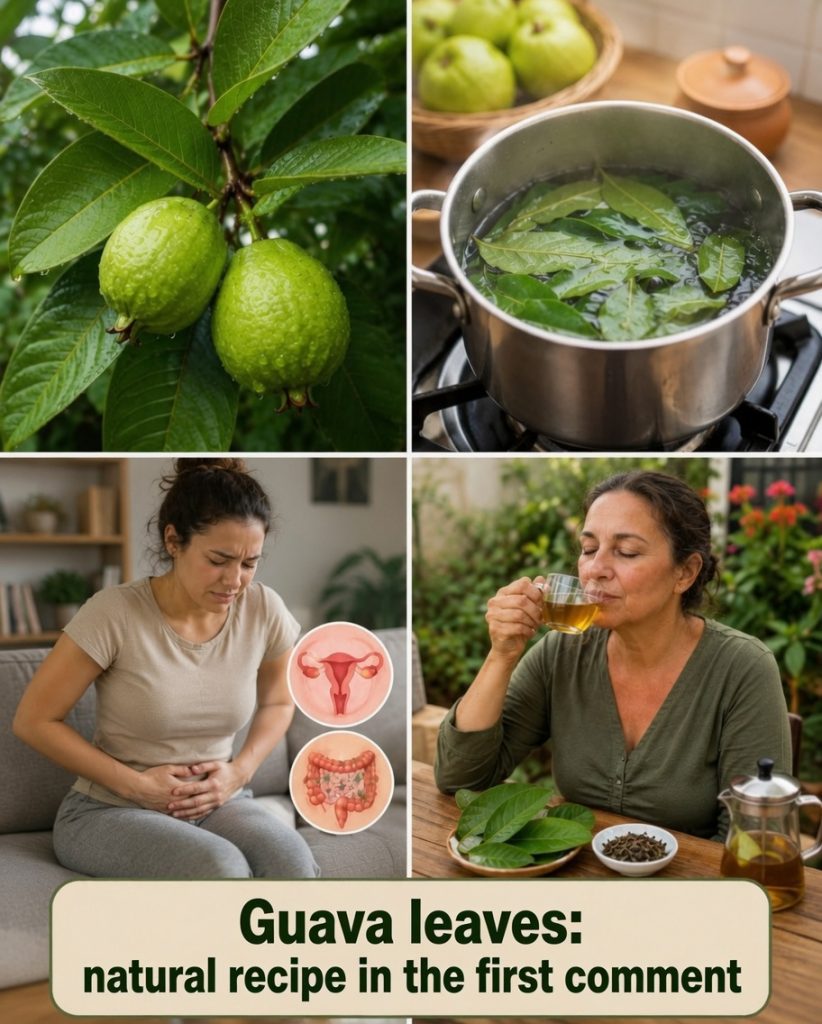
While guava is best known for its sweet tropical fruit, its leaves have also been used in traditional herbal medicine for centuries across Latin America, Asia, and parts of Africa. Today, guava leaves (Psidium guajava) continue to attract scientific interest because they contain a variety of naturally occurring antioxidants and plant compounds.
Although guava leaf tea is not a cure for diabetes, heart disease, or other chronic conditions, early research suggests it may have properties that support overall health when consumed as part of a balanced lifestyle.
Here’s what current evidence says about guava leaf tea, how to prepare it safely, and who should use caution.
What Makes Guava Leaves Unique?
Guava leaves naturally contain several beneficial plant compounds, including:
- Flavonoids
- Polyphenols
- Tannins
- Quercetin
- Antioxidants
Researchers continue to study these compounds for their potential effects on metabolic, digestive, and cardiovascular health.
Potential Health Benefits of Guava Leaf Tea
1. Rich in Antioxidants
Guava leaves contain antioxidants that help protect cells from oxidative stress caused by free radicals.
A diet rich in antioxidant-containing foods may support healthy aging.
2. Supports Healthy Blood Sugar Management
Several small studies have explored whether guava leaf extract may help support healthy blood sugar levels after meals.
While findings are promising, guava leaf tea should never replace diabetes medication or medical care.
3. Supports Heart Health
Early research suggests compounds in guava leaves may support cardiovascular wellness as part of an overall healthy lifestyle.
Maintaining heart health also depends on regular exercise, a balanced diet, and routine medical care.
4. Supports Healthy Cholesterol Levels
Some studies have investigated whether guava leaf preparations may contribute to maintaining healthy cholesterol levels.
More high-quality clinical research is still needed.
5. Promotes Digestive Comfort
Guava leaf tea has traditionally been used to support healthy digestion.
Some people drink it to help relieve occasional digestive discomfort.
6. Supports Immune Function
Its naturally occurring antioxidants contribute to the body’s normal immune defenses.
7. Supports Oral Health
Traditional herbal practices have used guava leaves in mouth rinses because of their natural plant compounds.
Research continues to investigate these effects.
8. Supports Skin Health
A nutrient-rich diet that includes antioxidant-containing plants may help support healthy skin.
9. Traditionally Used for Women’s Wellness
In some cultures, guava leaf tea has traditionally been consumed during menstruation to support comfort.
Scientific evidence remains limited.
10. Supports Overall Wellness
Like many herbal teas, guava leaf tea offers hydration along with naturally occurring plant compounds.
How to Make Guava Leaf Tea
Preparing guava leaf tea is simple.
Ingredients
- 5–7 fresh or dried guava leaves
- 1 liter (about 4 cups) of water
Optional:
- Fresh ginger
- Cinnamon
- Lemon
Directions
- Wash the leaves thoroughly if using fresh leaves.
- Bring the water to a boil.
- Add the guava leaves.
- Simmer for about 10–15 minutes.
- Remove from heat.
- Allow the tea to steep for several minutes.
- Strain before serving.
Enjoy warm or chilled.
How Much Should You Drink?
Many people enjoy 1–2 cups per day as part of a varied diet.
There is no evidence that drinking larger amounts provides greater health benefits.
Can Guava Leaf Tea Treat Diabetes?
This is one of the most common claims online.
The answer is:
No.
Some research suggests guava leaf compounds may support healthy glucose metabolism, but the tea does not treat or cure diabetes.
People with diabetes should continue following their prescribed treatment plan and consult their healthcare provider before adding herbal products to their routine.
Can It Help Lower Cholesterol?
Early studies suggest guava leaf extract may help support healthy cholesterol levels.
However, the strongest evidence for cholesterol management continues to support:
- Eating more fruits and vegetables
- Increasing dietary fiber
- Exercising regularly
- Maintaining a healthy weight
- Following medical advice when medication is needed
Important Safety Information
Although guava leaf tea is generally well tolerated by many adults, it may not be appropriate for everyone.
Consult your healthcare provider before regular use if you:
- Have diabetes
- Take blood sugar-lowering medication
- Take blood pressure medication
- Are pregnant or breastfeeding
- Have chronic kidney or liver disease
Herbal teas may interact with certain medications.
Frequently Asked Questions
Can guava leaf tea prevent disease?
No herbal tea can guarantee prevention of chronic diseases.
Healthy lifestyle habits remain the most effective approach.
Can I drink it every day?
Many healthy adults can enjoy moderate amounts, but daily use should be discussed with a healthcare professional if you have medical conditions or take prescription medications.
Fresh or dried leaves?
Both may be used. Ensure fresh leaves are thoroughly washed before preparing tea.
Healthy Habits That Matter Most
Guava leaf tea works best as part of a complete wellness routine that includes:
- A balanced diet rich in fruits and vegetables
- Regular physical activity
- Healthy sleep habits
- Stress management
- Adequate hydration
- Routine preventive healthcare
These habits have much stronger scientific support than any single herbal remedy.
Final Thoughts
Guava leaf tea has a long history in traditional herbal medicine and continues to be studied for its rich supply of antioxidants and beneficial plant compounds. While current research suggests it may support digestive, metabolic, cardiovascular, and immune health, it should be viewed as a complementary wellness beverage—not a treatment for disease.
When enjoyed responsibly alongside healthy lifestyle habits and appropriate medical care, guava leaf tea can be a flavorful and nourishing addition to your daily routine, offering a simple way to explore one of nature’s most respected traditional herbal beverages.