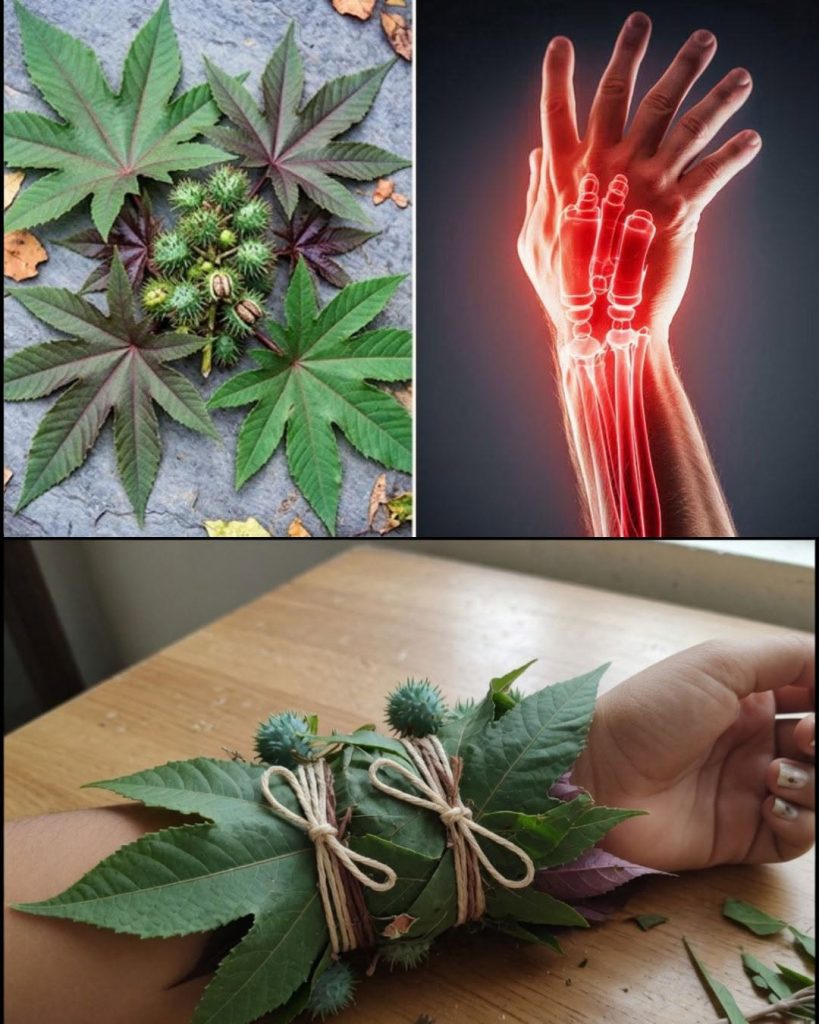
Castor Plant Benefits: Traditional Uses of Castor Leaves and Castor Oil
The castor plant (Ricinus communis) has been valued for centuries in traditional practices around the world. While most people recognize castor oil as a popular natural skincare and hair care ingredient, the plant’s leaves have also been used in traditional home remedies for generations.
However, it is essential to understand one important fact: raw castor seeds are highly poisonous because they contain ricin, one of the most toxic naturally occurring substances. They should never be eaten or used in homemade remedies.
When discussing the castor plant, the safest focus is on properly manufactured castor oil for external use and the traditional topical use of the leaves.
Let’s explore what modern research and traditional practices tell us.
What Is the Castor Plant?
The castor plant is a fast-growing tropical shrub known for its large ornamental leaves and spiny seed pods.
Commercially processed castor oil is extracted from its seeds using specialized manufacturing methods that remove the dangerous toxin ricin from the finished oil.
Today, castor oil is widely used in:
- Skin care
- Hair care
- Cosmetic products
- Massage oils
- Some pharmaceutical products
Traditional Uses of Castor Leaves
Castor leaves have long been used externally in traditional wellness practices.
Scientific evidence supporting these uses remains limited, so they should be viewed as traditional practices rather than proven medical treatments.
1. Warm Compresses for Comfort
In traditional medicine, warmed castor leaves have been used as compresses over muscles and joints.
Many people find the warmth itself soothing after physical activity.
2. Relaxation Rituals
Warm herbal compresses prepared with castor leaves are sometimes included in home wellness routines to encourage relaxation after a long day.
3. Traditional Skin Applications
Some traditional practices use cleaned castor leaves as part of homemade poultices for minor skin discomfort.
However, leaves should never be applied to broken skin without professional medical advice.
Castor Oil: The Most Commonly Used Part of the Plant
Unlike raw seeds, commercial castor oil has many well-established cosmetic and industrial uses.
1. Moisturizes Dry Skin
Castor oil forms a protective layer that helps reduce moisture loss from the skin.
Many people use it on:
- Dry elbows
- Hands
- Feet
- Rough patches of skin
2. Supports Hair Care
Castor oil is commonly found in shampoos, conditioners, and hair serums.
Although there is no strong scientific evidence that castor oil directly speeds hair growth, it may help:
- Improve hair softness
- Reduce dryness
- Lubricate hair strands
- Improve the appearance of damaged hair
Keeping the scalp moisturized may also contribute to healthier-looking hair.
3. Conditions Eyebrows and Beard Hair
Many people apply small amounts of castor oil to:
- Eyebrows
- Beard hair
- Dry facial hair
The oil helps condition hair and reduce dryness, although it has not been proven to stimulate new hair growth.
4. Helps Soften Cuticles
Castor oil is widely used during manicures because it moisturizes cuticles and dry skin around the nails.
5. Popular Massage Oil
Because of its thick texture, castor oil is often blended with lighter oils for massage.
Can Castor Oil Be Taken by Mouth?
Pharmaceutical-grade castor oil has long been approved in some countries as a short-term stimulant laxative under professional guidance.
However:
- It should only be used according to product instructions or medical advice.
- Frequent use is not recommended.
- It is not intended for detoxes or weight loss.
Important Safety Information
Safety is especially important when discussing the castor plant.
Never Eat Raw Castor Seeds
Raw castor seeds contain ricin, which is extremely poisonous.
Even a small amount may cause severe poisoning requiring emergency medical care.
Never attempt to prepare homemade remedies from raw castor seeds.
Avoid Homemade Castor Seed Preparations
Only commercially processed castor oil should be used.
Homemade extraction methods cannot reliably remove ricin and may be dangerous.
Pregnancy
Castor oil has historically been used in attempts to stimulate labor.
Because it may cause uterine contractions, it should never be used during pregnancy unless specifically instructed by an obstetric healthcare professional.
Patch Test Before Skin Use
Before applying castor oil:
- Test a small amount on your inner arm.
- Wait 24 hours.
- Stop using it if irritation develops.
Healthy Habits That Support Skin and Hair
No single oil can replace healthy lifestyle habits.
Support healthy skin and hair by:
- Eating a balanced diet rich in protein and healthy fats.
- Drinking enough water.
- Sleeping seven to nine hours each night.
- Protecting your skin from excessive sun exposure.
- Using gentle skin and hair care products.
- Managing stress.
These habits have a greater impact than any individual beauty ingredient.
Frequently Asked Questions
Are castor seeds safe to eat?
No. Raw castor seeds are highly toxic and should never be consumed.
Does castor oil grow hair?
Current scientific evidence does not demonstrate that castor oil directly stimulates faster hair growth. It may improve hair’s appearance by reducing dryness and breakage.
Can castor oil moisturize skin?
Yes. Castor oil is widely used as an emollient that helps reduce moisture loss and soften dry skin.
Can I use castor oil every day?
Many people use small amounts on dry skin or hair several times a week. Individual skin types vary, so begin with a patch test.
Is castor oil safe for everyone?
People with allergies, sensitive skin, certain medical conditions, or those who are pregnant should consult a healthcare professional before using castor oil regularly.
Final Thoughts
The castor plant has a long history in traditional wellness and remains valued today, particularly through the use of commercially processed castor oil. It can be a useful addition to skin and hair care routines thanks to its moisturizing properties.
However, it is equally important to recognize that raw castor seeds are extremely toxic and should never be consumed or used in homemade remedies.
By using commercially prepared products responsibly and combining them with healthy lifestyle habits, you can safely enjoy the cosmetic benefits that castor oil has to offer.
Medical Disclaimer: This article is for educational purposes only and is not intended to diagnose, treat, cure, or prevent any disease. Always consult a qualified healthcare professional before using herbal products or natural remedies, especially if you are pregnant, have a medical condition, or take prescription medications.