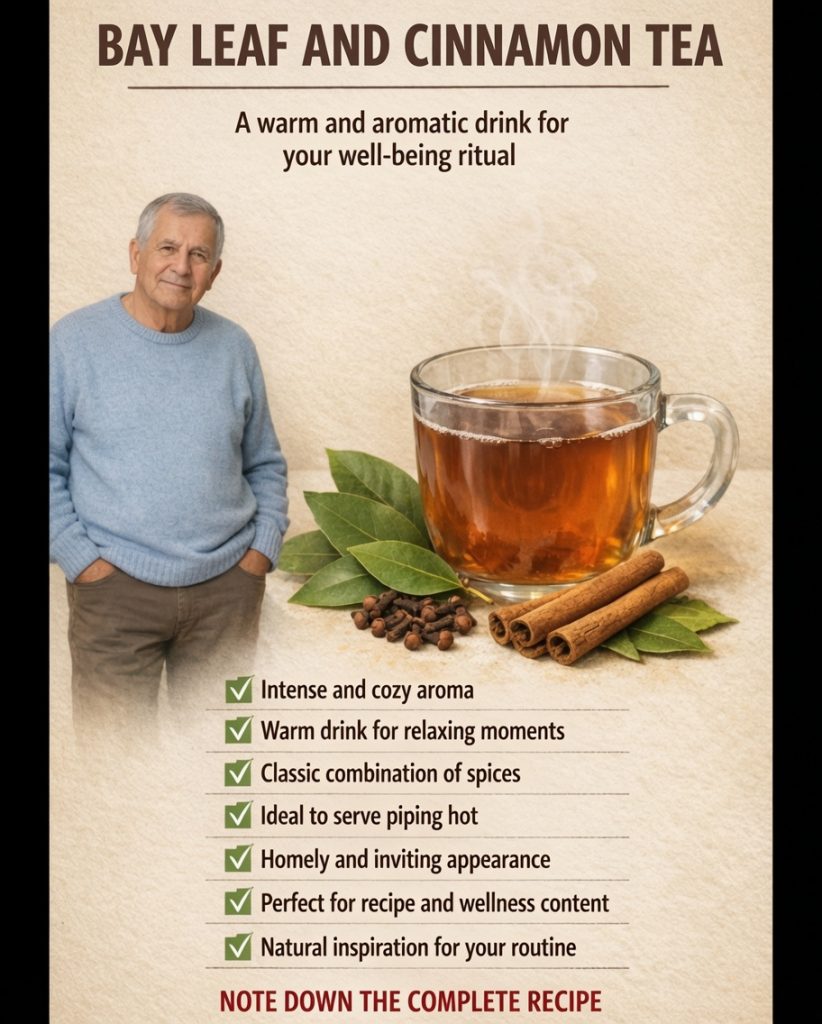
Bay Leaf Tea: A Traditional Herbal Drink for Everyday Wellness
Bay leaf tea has been enjoyed for generations in many cultures as a warm, aromatic herbal infusion. Made from the leaves of the bay laurel tree (Laurus nobilis), this traditional beverage is valued for its pleasant flavor and naturally occurring plant compounds.
Many people enjoy bay leaf tea as part of a relaxing daily routine, especially during cooler weather or after meals. While traditional herbal practices attribute many health benefits to bay leaves, scientific evidence is still evolving, and no herbal tea should be viewed as a cure or replacement for medical treatment.
Here’s what you should know about bay leaf tea, including its potential benefits, an easy recipe, and important safety information.
What Is Bay Leaf Tea?
Bay leaf tea is prepared by steeping or gently simmering edible bay leaves in hot water.
Some recipes also include ingredients such as cinnamon, lemon, or honey to enhance the flavor.
Bay leaves naturally contain:
- Essential oils
- Polyphenols
- Flavonoids
- Vitamin A
- Vitamin C
- Minerals such as calcium and potassium
These naturally occurring compounds contribute to the herb’s distinctive aroma and nutritional profile.
Easy Bay Leaf Tea Recipe
Ingredients
- 5 edible bay leaves (fresh or dried)
- 2 cups water
- 1 cinnamon stick (optional)
- 1 teaspoon honey (optional)
Instructions
- Rinse the bay leaves thoroughly.
- Bring the water to a gentle boil.
- Add the bay leaves and cinnamon stick.
- Simmer for about 10 minutes.
- Remove from the heat and allow the tea to steep for another 5 minutes.
- Strain before serving.
- Sweeten with a small amount of honey if desired.
Serve warm for the best flavor.
Potential Benefits of Bay Leaf Tea
Bay leaf tea contains plant compounds that researchers continue to study. While more human research is needed, drinking herbal tea can be a pleasant addition to a balanced lifestyle.
1. Supports Relaxation
Enjoying a warm cup of herbal tea may help create a calming moment during a busy day.
Many people choose bay leaf tea as part of their evening wind-down routine.
2. May Support Digestive Comfort
Bay leaves have traditionally been used after meals.
Warm herbal beverages may contribute to digestive comfort when combined with healthy eating habits.
3. Provides Natural Antioxidants
Bay leaves contain antioxidant compounds that help protect cells from oxidative stress.
A diet rich in antioxidant-containing foods supports overall wellness.
4. Supports Hydration
Like other caffeine-free herbal teas, bay leaf tea contributes to your daily fluid intake.
Staying hydrated is essential for overall health.
5. Complements a Healthy Lifestyle
Replacing sugar-sweetened beverages with unsweetened herbal tea may help reduce added sugar intake while encouraging healthier hydration habits.
Nutritional Highlights
Bay Leaves
Bay leaves naturally contain:
- Antioxidants
- Essential oils
- Vitamins A and C
- Plant compounds that contribute to their aroma
Cinnamon (Optional)
Cinnamon adds warmth and flavor while contributing naturally occurring antioxidants.
Honey (Optional)
Honey provides natural sweetness and can be used in moderation if desired.
How Often Can You Drink Bay Leaf Tea?
There is no universally recommended amount.
Many healthy adults choose to enjoy one cup occasionally as part of a balanced diet.
Rather than focusing on one herbal drink, maintaining consistent healthy lifestyle habits offers greater long-term benefits.
Helpful Tips
For the best experience:
- Always use culinary bay leaves (Laurus nobilis).
- Avoid ornamental bay leaves that are not intended for consumption.
- Use fresh, clean water.
- Drink the tea while warm.
- Store dried bay leaves in an airtight container away from moisture and light.
Important Safety Considerations
Although bay leaf tea is commonly enjoyed in many cultures, moderation is important.
Consult a healthcare professional before drinking it regularly if you:
- Are pregnant or breastfeeding
- Take blood-thinning medication
- Use medication for diabetes or blood pressure
- Have chronic liver or kidney disease
- Have known allergies to bay leaves
Whole bay leaves should not be swallowed because they remain tough even after cooking and may present a choking hazard.
Healthy Habits That Support Overall Wellness
Herbal tea works best as one part of a healthy lifestyle.
To support long-term well-being:
- Eat a balanced diet rich in fruits and vegetables.
- Stay physically active.
- Drink enough water.
- Get sufficient sleep.
- Manage stress.
- Schedule regular health checkups.
These habits have stronger scientific support than relying on any single food or beverage.
Frequently Asked Questions
Can bay leaf tea cure illnesses?
No. Bay leaf tea is not a treatment or cure for medical conditions. It should be enjoyed as part of a healthy lifestyle rather than as a substitute for medical care.
Can I drink bay leaf tea every day?
Occasional consumption is generally preferred. If you plan to drink it regularly, especially if you have a medical condition or take prescription medication, consult a healthcare professional.
Does bay leaf tea help with weight loss?
No herbal tea alone causes weight loss. Maintaining a healthy weight depends on balanced nutrition, regular physical activity, and sustainable lifestyle habits.
Can I add lemon?
Yes. Fresh lemon juice can add brightness and additional flavor to bay leaf tea.
Is cinnamon necessary?
No. Cinnamon is optional and mainly adds flavor and aroma.
Final Thoughts
Bay leaf tea is a traditional herbal beverage appreciated for its comforting aroma and rich history. It offers a simple way to enjoy naturally occurring plant compounds while adding variety to your daily routine.
Although many traditional uses have been passed down through generations, current scientific evidence does not support many of the stronger health claims often found online. The best approach is to enjoy bay leaf tea in moderation as part of a balanced lifestyle that includes nutritious food, regular exercise, adequate sleep, and routine medical care.
A warm cup of bay leaf tea may not be a miracle remedy, but it can certainly be a comforting ritual that fits into a healthy daily routine.
Medical Disclaimer: This article is intended for educational purposes only and should not be considered medical advice. It is not intended to diagnose, treat, cure, or prevent any disease. Always consult a qualified healthcare professional before using herbal products regularly, especially if you are pregnant, breastfeeding, have a medical condition, or take prescription medications.