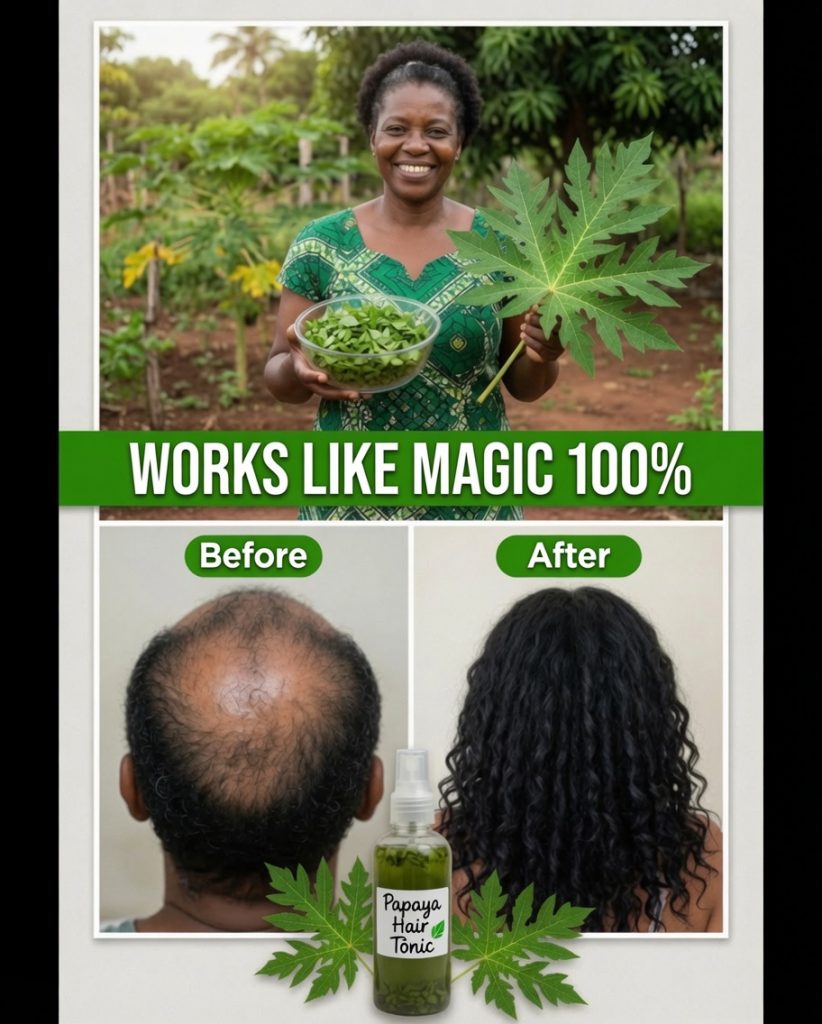
Papaya Leaf Hair Rinse: A Natural Hair Care Ritual Worth Exploring
Many people dream of hair that feels stronger, looks shinier, and appears healthier over time. With countless shampoos, serums, and treatments on the market, it’s easy to overlook simple botanical ingredients that have been used in traditional beauty routines for generations.
One ingredient attracting growing interest is the papaya leaf. While scientific research on papaya leaves for hair care is still limited, they contain naturally occurring plant compounds that have made them a popular ingredient in homemade scalp treatments.
Although papaya leaves are not a proven solution for hair loss or rapid hair growth, they may help support a healthy scalp—an important foundation for healthy-looking hair.
Why Is Scalp Health So Important?
Healthy hair begins with a healthy scalp.
A well-cared-for scalp can help maintain an environment where hair grows normally, while dryness, excess oil, product buildup, or irritation may affect how hair looks and feels.
Supporting scalp health through gentle cleansing and consistent care is often more beneficial than relying on products that promise overnight transformations.
What Makes Papaya Leaves Interesting?
Papaya leaves naturally contain:
- Plant antioxidants
- Vitamins A and C
- Minerals
- Naturally occurring enzymes
- Botanical compounds being studied for their skin-supporting properties
These components have contributed to the popularity of papaya leaves in traditional hair care practices.
Potential Benefits of a Papaya Leaf Hair Rinse
While more human studies are needed, many people enjoy papaya leaf rinses for their refreshing feel and gentle scalp care.
1. Helps Cleanse the Scalp
Papaya leaves contain naturally occurring enzymes that may help remove excess oil, product residue, and buildup from the scalp.
Keeping the scalp clean can improve the overall appearance of the hair.
2. Supports a Comfortable Scalp
Some users report that papaya leaf rinses leave the scalp feeling refreshed and cleaner after washing.
A comfortable scalp may encourage a more enjoyable hair care routine.
3. Leaves Hair Feeling Softer
Using botanical rinses after shampooing may improve the feel of the hair by reducing dryness and leaving strands softer.
Results vary depending on individual hair type.
4. Enhances Natural Shine
Healthy-looking hair often reflects light more evenly.
When combined with regular conditioning and gentle styling, papaya leaf rinses may contribute to smoother-looking hair with a natural shine.
5. Complements a Healthy Hair Care Routine
A homemade rinse can become one part of a broader routine that includes:
- Gentle cleansing
- Regular conditioning
- Heat protection
- Balanced nutrition
- Scalp massage
No single ingredient alone determines hair health.
6. Offers a Simple Plant-Based Alternative
For people who enjoy DIY beauty recipes, papaya leaves provide an inexpensive botanical option that can be prepared at home with just a few ingredients.
Homemade Papaya Leaf Hair Rinse
Ingredients
- 5 to 6 fresh papaya leaves
- 2 cups water
- 2 tablespoons coconut oil (optional)
Instructions
- Wash the papaya leaves thoroughly.
- Place them in a saucepan with the water.
- Simmer gently for 10 to 15 minutes.
- Allow the liquid to cool completely.
- Strain out the leaves.
- If desired, stir in a small amount of coconut oil for additional moisture.
How to Use It
- Wash your hair with a mild shampoo.
- Apply the cooled papaya leaf rinse to your scalp.
- Gently massage for several minutes using your fingertips.
- Leave it on for 20 to 30 minutes.
- Rinse thoroughly with lukewarm water.
- Finish with conditioner if needed.
Many people choose to use the rinse two or three times each week.
Tips for Better Results
- Always prepare the rinse with fresh, clean leaves.
- Store unused liquid in the refrigerator for no longer than three days.
- Perform a patch test before the first use.
- Avoid applying the rinse to irritated or broken skin.
- Be consistent rather than expecting immediate changes.
Healthy hair develops over time.
Healthy Habits That Support Hair Growth
Hair appearance depends on many factors beyond topical treatments.
To support healthy hair:
- Eat enough protein.
- Include iron-rich foods in your diet.
- Stay hydrated.
- Get enough sleep.
- Manage stress.
- Avoid excessive heat styling.
- Protect your hair from sun damage.
- Use gentle hair products suited to your hair type.
These habits often have a greater impact than any single homemade treatment.
Frequently Asked Questions
Can papaya leaves make hair grow faster?
There is currently no strong scientific evidence showing that papaya leaves directly increase hair growth speed. However, maintaining a healthy scalp may support normal hair growth.
Can I use the rinse every day?
Most people prefer using it two or three times per week. Daily use may not be necessary.
Is it suitable for all hair types?
Many hair types can tolerate botanical rinses, but everyone’s skin is different. Perform a patch test before regular use.
Can I add aloe vera?
Yes. Some people combine papaya leaf rinse with aloe vera gel for additional moisture and scalp comfort.
How long before I notice results?
Hair grows gradually, and visible improvements in texture or appearance often require several weeks of consistent care.
Final Thoughts
Papaya leaf hair rinses have become a popular DIY beauty treatment because they are simple, affordable, and made from natural ingredients. While they are not a proven cure for hair loss or a guaranteed way to accelerate hair growth, they may help support a cleaner scalp and healthier-looking hair when used as part of a consistent hair care routine.
Remember that beautiful hair is built through long-term habits—including good nutrition, gentle hair care, stress management, and patience. A homemade papaya leaf rinse can be one enjoyable addition to that routine.
Disclaimer: This article is intended for educational purposes only and should not be considered medical advice. Homemade hair treatments are not intended to diagnose, treat, cure, or prevent medical conditions. If you experience significant hair loss, scalp irritation, or persistent skin concerns, consult a qualified dermatologist or healthcare professional.