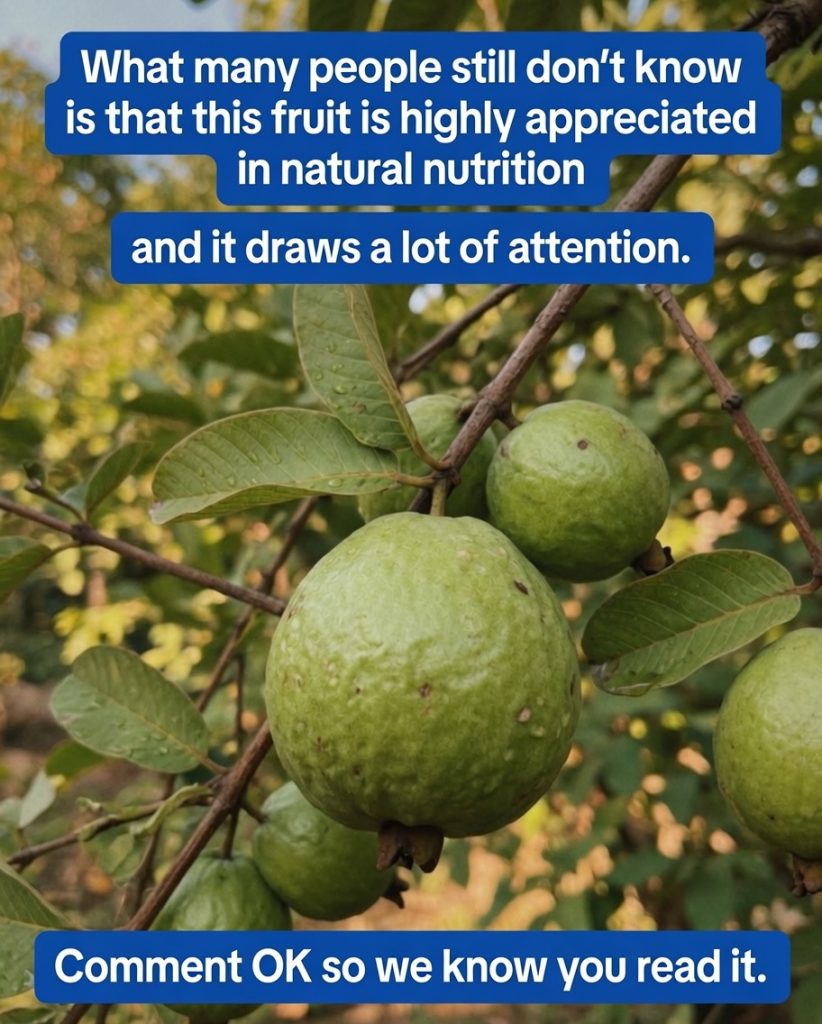
Guava for Healthy Blood Sugar: Discover the Benefits of This Tropical Fruit
Guava is one of the most nutritious tropical fruits available. Sweet, fragrant, and naturally rich in vitamins, fiber, and antioxidants, it has been enjoyed around the world for centuries.
In recent years, researchers have also explored whether guava and guava leaves may help support healthy blood sugar regulation. While no fruit can treat or cure diabetes, including nutrient-rich foods like guava in a balanced diet may contribute to overall metabolic health.
Here’s what current evidence suggests, along with simple ways to enjoy guava as part of a healthy lifestyle.
Why Guava Is Considered a Nutritional Powerhouse
Guava (Psidium guajava) provides an impressive combination of nutrients in relatively few calories.
A single serving contains valuable amounts of:
- Vitamin C
- Dietary fiber
- Potassium
- Magnesium
- Folate
- Natural antioxidants
- Carotenoids
- Polyphenols
Because of its high fiber content and relatively low glycemic impact compared with many sweet fruits, guava is often included in balanced eating plans.
Can Guava Help Support Healthy Blood Sugar?
Researchers continue studying how certain compounds in guava may influence glucose metabolism.
Some studies suggest that compounds naturally present in guava—particularly in its leaves—may help support healthy blood sugar levels when combined with a nutritious diet and regular physical activity.
Potential ways guava may contribute include:
- Supporting slower carbohydrate digestion
- Helping reduce rapid blood sugar spikes after meals
- Providing fiber that promotes fullness
- Delivering antioxidants that support overall metabolic health
However, guava is not a replacement for diabetes medication or professional medical care.
Nutritional Benefits of Guava
Rich in Dietary Fiber
Fiber slows digestion and helps promote more gradual absorption of carbohydrates.
It may also:
- Support digestive health
- Promote fullness
- Encourage healthy eating habits
Excellent Source of Vitamin C
Guava contains remarkably high levels of vitamin C.
Vitamin C contributes to:
- Normal immune function
- Collagen production
- Healthy skin
- Protection against oxidative stress
Natural Antioxidants
Guava contains several antioxidant compounds, including:
- Lycopene
- Quercetin
- Carotenoids
- Polyphenols
These plant compounds help protect cells from oxidative damage.
Minerals for Everyday Wellness
Guava also provides:
- Potassium
- Magnesium
- Small amounts of iron
These minerals support normal muscle, nerve, and cardiovascular function.
What About Guava Leaves?
Guava leaf tea has a long history in traditional herbal practices.
Researchers have investigated guava leaves because they contain plant compounds including:
- Quercetin
- Tannins
- Polyphenols
- Flavonoids
Early research suggests these compounds may play a role in supporting carbohydrate metabolism, but more high-quality human studies are needed.
Easy Ways to Enjoy Guava
1. Fresh Guava
The simplest option is often the best.
Wash the fruit well, slice it, and enjoy it fresh.
Keeping the edible skin adds extra fiber.
2. Guava Leaf Tea
Ingredients
- 5–6 fresh guava leaves (or 1 teaspoon dried leaves)
- 2 cups water
Directions
- Wash the leaves thoroughly.
- Bring the water to a boil.
- Add the leaves.
- Simmer gently for about 10 minutes.
- Strain and allow to cool slightly before drinking.
Enjoy as an unsweetened herbal tea.
3. Fresh Guava Smoothie
Ingredients
- 2 ripe guavas
- 1 cup water
- Juice of half a lemon
- Ice cubes (optional)
Blend until smooth.
For extra fiber, leave the pulp intact whenever possible.
Avoid adding sugar.
4. Guava and Chia Fruit Bowl
Ingredients
- 1 chopped guava
- 1 tablespoon chia seeds
- Half a green apple
- Fresh lemon juice
Mix everything together and allow the chia seeds to absorb moisture for about 10 minutes before serving.
This combination provides additional fiber and healthy fats.
5. Green Guava Smoothie
Ingredients
- 1 guava
- Half a cucumber
- 1 celery stalk
- 1 cup water
- Lemon juice
Blend until smooth for a refreshing snack.
Healthy Habits That Support Blood Sugar
No single food determines blood sugar control.
The greatest benefits come from combining nutritious foods with healthy lifestyle habits.
Choose Fiber-Rich Foods
Include:
- Vegetables
- Fruits
- Beans
- Whole grains
- Nuts
- Seeds
Stay Physically Active
Regular exercise helps support normal glucose metabolism and overall health.
Walking, cycling, swimming, and strength training are all excellent choices.
Get Enough Sleep
Consistent sleep supports many aspects of metabolic health.
Stay Hydrated
Adequate water intake supports overall body function.
Limit Added Sugars
Reducing sugary drinks and highly processed foods can help maintain a balanced eating pattern.
Who Can Enjoy Guava?
Guava is suitable for most healthy adults.
People living with diabetes can often include guava as part of a balanced meal plan, but portion sizes and overall carbohydrate intake should still be considered.
Anyone taking blood sugar-lowering medication should monitor their glucose as recommended by their healthcare provider and discuss dietary changes with a medical professional.
Frequently Asked Questions
Is guava better than other fruits for blood sugar?
Guava is relatively high in fiber and nutrients, making it a nutritious choice. However, no single fruit is universally “best” for blood sugar.
Can guava cure diabetes?
No. There is no scientific evidence that guava or guava leaves cure diabetes.
Can I drink guava leaf tea every day?
Many people enjoy it regularly in moderation. If you have diabetes or take medications, consult your healthcare provider before making it a daily habit.
Should guava juice contain sugar?
It’s best to enjoy fresh guava without added sugar to preserve its nutritional value.
Final Thoughts
Guava is far more than a delicious tropical fruit. Its combination of fiber, vitamins, minerals, and antioxidants makes it a nutritious addition to a balanced diet.
Fresh guava, guava leaf tea, and simple homemade recipes can all become enjoyable parts of a healthy eating routine. While these foods may help support normal blood sugar management, they work best alongside regular physical activity, quality sleep, balanced nutrition, and appropriate medical care when needed.
Healthy habits practiced consistently often make the biggest difference over time.
Disclaimer: This article is intended for educational purposes only and should not be considered medical advice. Guava and guava leaves are not treatments or cures for diabetes. Always consult a qualified healthcare professional before making significant dietary changes, especially if you have diabetes or take prescription medications.