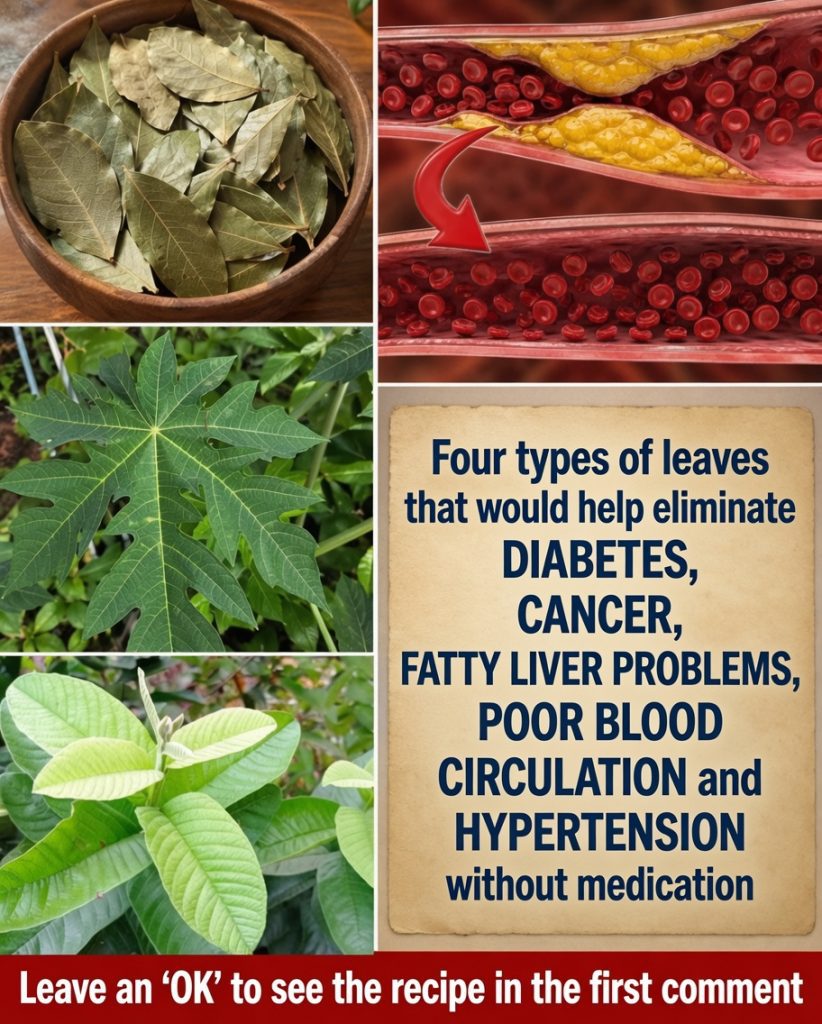
Four Simple Leaves That Have Been Valued for Generations
Many of the most appreciated wellness traditions begin with simple plants growing in home gardens and backyards. Across different cultures, herbal leaf infusions have long been enjoyed as gentle additions to a balanced lifestyle.
Among the most popular are avocado leaves, mango leaves, bay laurel leaves, and guava leaves. Each contains naturally occurring plant compounds that have attracted scientific interest for their antioxidant content and traditional wellness uses.
While these herbs are not medicines and should not replace professional medical care, they can be enjoyed responsibly as part of a healthy daily routine alongside nutritious food, regular exercise, adequate sleep, and proper hydration.
Let’s explore what makes each leaf unique, how they have traditionally been used, and easy ways to prepare them at home.
Why Herbal Leaf Infusions Remain Popular
For centuries, people have prepared herbal teas to complement daily wellness routines.
Many plant leaves naturally contain compounds such as:
- Polyphenols
- Flavonoids
- Tannins
- Essential oils
- Plant antioxidants
Although research continues to evolve, these naturally occurring compounds are widely recognized for supporting overall health as part of a balanced diet.
Herbal teas also provide a relaxing ritual that encourages hydration and mindful self-care.
1. Avocado Leaves: A Traditional Digestive Herbal Tea
Avocado trees (Persea americana) are best known for their nutrient-rich fruit, but their leaves have also been used traditionally in herbal preparations throughout Latin America and other regions.
Fresh avocado leaves contain various naturally occurring plant compounds, including flavonoids and phenolic antioxidants.
Traditional Uses
Many people enjoy avocado leaf tea as a soothing beverage that may support:
- Comfortable digestion
- Relaxation after meals
- Everyday wellness
- Antioxidant intake
Although traditional use is extensive, more high-quality human research is still needed to confirm specific health effects.
Simple Avocado Leaf Tea
Ingredients
- 3–5 fresh avocado leaves
- 2 cups of water
Directions
- Wash the leaves thoroughly.
- Bring the water to a gentle boil.
- Add the leaves.
- Simmer for about 10 minutes.
- Strain and allow to cool slightly before drinking.
Many people enjoy one warm cup during the day.
2. Mango Leaves: A Traditional Botanical Beverage
Mango leaves have been used in traditional wellness practices across Asia, Africa, and Latin America for generations.
They contain several naturally occurring plant compounds, including:
- Mangiferin
- Polyphenols
- Flavonoids
- Antioxidants
These compounds continue to be studied for their role in supporting overall metabolic health.
Traditional Wellness Uses
Mango leaf tea has traditionally been enjoyed to support:
- Everyday vitality
- General metabolic wellness
- Healthy circulation
- Daily hydration
Current scientific evidence remains limited, and mango leaves should be viewed as a complementary wellness food rather than a treatment.
Overnight Mango Leaf Infusion
Ingredients
- 4–5 fresh mango leaves
- 2 cups of drinking water
Directions
- Wash the leaves well.
- Place them in a clean container filled with water.
- Leave them to steep overnight.
- Remove the leaves the next morning.
- Drink the infused water fresh.
3. Bay Laurel Leaves: More Than a Culinary Herb
Bay laurel (Laurus nobilis) is famous for adding flavor to soups, stews, and sauces, but it also has a long history in traditional herbal preparations.
Its aromatic essential oils give bay leaves their distinctive fragrance.
Traditionally Appreciated Benefits
Bay leaf tea has commonly been used to support:
- Comfortable digestion
- Relaxation after meals
- General digestive wellness
- Pleasant herbal aroma
These traditional uses have made bay leaves a staple in many kitchens around the world.
Bay Leaf Herbal Tea
Ingredients
- 2–3 dried or fresh bay leaves
- 2 cups of water
Directions
- Bring water to a boil.
- Add the bay leaves.
- Simmer for 8–10 minutes.
- Strain before drinking.
Many people enjoy this tea after lunch or dinner.
4. Guava Leaves: Rich in Natural Plant Compounds
Guava leaves have become increasingly popular in traditional herbal practices.
They naturally contain:
- Quercetin
- Flavonoids
- Polyphenols
- Tannins
- Vitamin C-related plant compounds
Researchers continue to study these naturally occurring substances for their potential role in supporting overall wellness.
Traditional Uses
Guava leaf tea has commonly been consumed to support:
- Digestive comfort
- Balanced daily wellness
- Antioxidant intake
- Healthy lifestyle habits
Some early studies have explored possible effects on carbohydrate metabolism, but more research is needed before firm conclusions can be made.
Guava Leaf Tea
Ingredients
- 5–6 fresh guava leaves
- 2 cups of water
Directions
- Wash the leaves carefully.
- Bring water to a gentle boil.
- Add the leaves.
- Simmer for about 10 minutes.
- Strain and serve warm.
Its mild herbal flavor makes it easy to include in a daily wellness routine.
Comparing the Four Herbal Leaves
| Herbal Leaf | Naturally Contains | Traditional Wellness Uses |
|---|---|---|
| Avocado | Flavonoids, antioxidants | Digestive comfort and relaxation |
| Mango | Mangiferin, polyphenols | Everyday vitality and metabolic wellness |
| Bay Laurel | Essential oils, antioxidants | Digestive support after meals |
| Guava | Quercetin, flavonoids | Antioxidant intake and digestive wellness |
Tips for Safe Use
When preparing herbal infusions:
- Wash all leaves thoroughly.
- Use pesticide-free leaves whenever possible.
- Drink herbal teas in moderation.
- Introduce one herbal tea at a time if trying something new.
- Store fresh leaves properly to maintain quality.
Herbal beverages are intended to complement—not replace—a healthy diet and medical care.
Who Should Be Cautious?
Speak with your healthcare provider before using herbal teas regularly if you:
- Are pregnant or breastfeeding
- Take prescription medications
- Have kidney or liver disease
- Have allergies to any of these plants
- Manage chronic medical conditions
Natural ingredients can still interact with medications or affect certain health conditions.
Building a Healthy Daily Routine
Herbal teas work best as one small part of a healthy lifestyle.
For long-term wellness, also focus on:
- Eating plenty of fruits and vegetables
- Staying physically active
- Drinking enough water
- Getting quality sleep
- Managing stress
- Keeping regular medical checkups
No single herb or beverage can replace these healthy habits.
Frequently Asked Questions
Can I drink all four teas every day?
It’s generally better to rotate different herbal teas rather than consuming large amounts of any single one daily. Moderation is key.
Are fresh leaves better than dried?
Fresh leaves often retain more natural aroma, while properly dried leaves are convenient and have a longer shelf life.
Do these teas treat diseases?
No. These herbal teas are traditional wellness beverages and should not be used to diagnose, treat, cure, or prevent medical conditions.
Can I sweeten the tea?
Yes. If desired, a small amount of honey or fresh lemon may improve flavor without changing the traditional preparation.
Final Thoughts
Nature offers many simple ways to enrich a healthy lifestyle, and herbal leaf infusions are among the oldest traditions still enjoyed today. Avocado, mango, bay laurel, and guava leaves each bring their own unique aromas and naturally occurring plant compounds to the table.
While these teas are not miracle remedies, they can be a pleasant addition to daily wellness routines when enjoyed responsibly. Combined with balanced nutrition, regular movement, good hydration, and adequate rest, they offer a simple way to reconnect with traditional plant-based practices.
Disclaimer: This article is intended for educational purposes only and should not be considered medical advice. Herbal teas should complement—not replace—professional healthcare, prescribed medications, or a balanced diet. Always consult a qualified healthcare professional before using herbal remedies regularly, especially if you have underlying health conditions or take prescription medications.