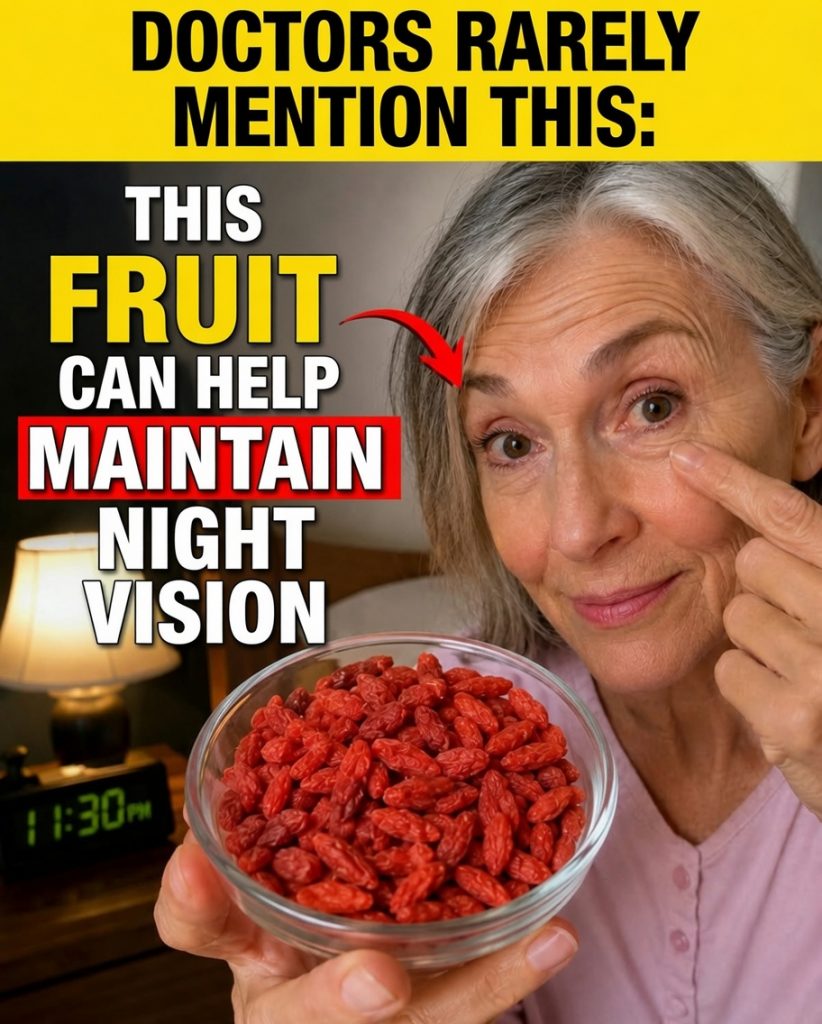
The Bedtime Nutrition Secret: Foods That May Support Brain and Eye Health After 60
Have you ever woken up feeling like your mind never truly rested?
Maybe it takes longer to remember names than it used to. Perhaps reading the morning newspaper requires brighter light, or your eyes feel dry and tired when you first wake up. While some age-related changes are normal, healthy daily habits—including nutrition and quality sleep—can play an important role in supporting both cognitive function and eye health as we get older.
Your brain and eyes remain surprisingly active while you sleep. During the night, your body repairs tissues, regulates hormones, consolidates memories, and removes metabolic waste from the brain through its natural cleaning systems. Providing your body with nutrient-rich foods before bedtime may complement these natural overnight processes as part of an overall healthy lifestyle.
Let’s explore four naturally nutritious dried fruits that can fit into an evening routine and provide vitamins, minerals, antioxidants, and plant compounds associated with healthy aging.
Why Sleep Matters for Brain and Vision Health
Sleep is much more than rest.
During deep sleep, your body works to:
- Consolidate memories
- Support learning
- Repair tissues
- Regulate inflammation
- Restore energy stores
- Maintain healthy eye tissues
- Remove metabolic waste from the brain
Poor sleep quality has been linked to reduced attention, slower thinking, and increased eye fatigue.
A nutritious evening snack cannot replace good sleep, but it may help support your body’s overnight recovery.
1. Dried Figs: Naturally Rich in Fiber and Antioxidants
Figs have been enjoyed for thousands of years and provide an impressive combination of nutrients.
They contain:
- Dietary fiber
- Potassium
- Calcium
- Magnesium
- Polyphenols
- Natural plant antioxidants
Research suggests that polyphenol-rich foods help protect cells from oxidative stress, an important factor associated with healthy aging.
Fiber also supports gut health, which scientists increasingly recognize as being connected to overall brain health through the gut-brain axis.
Ways to enjoy them
- Eat 2–3 dried figs as an evening snack.
- Pair them with plain Greek yogurt.
- Add chopped figs to oatmeal.
2. Raisins: Small Fruit, Big Nutritional Value
Raisins are concentrated grapes that naturally provide several beneficial plant compounds.
They contain:
- Potassium
- Iron
- Fiber
- Polyphenols
- Resveratrol (in smaller amounts than fresh grapes)
- Quercetin
These antioxidants help protect cells from everyday oxidative stress.
Because raisins contain natural sugars, enjoy moderate portions as part of a balanced meal or snack.
Smart pairing
Combine a small handful of raisins with:
- Walnuts
- Almonds
- Unsweetened yogurt
The protein and healthy fats help create a more balanced snack.
3. Dates: Natural Energy With Important Minerals
Dates provide naturally occurring carbohydrates together with valuable micronutrients.
Key nutrients include:
- Potassium
- Magnesium
- Copper
- Vitamin B6
- Fiber
- Polyphenols
Vitamin B6 contributes to normal nervous system function, while potassium supports healthy muscle and nerve activity.
Dates can satisfy evening sweet cravings without relying on highly processed desserts.
Portion suggestion
One or two dates after dinner can be enough for most people.
Individuals managing diabetes should discuss appropriate portion sizes with their healthcare provider or dietitian.
4. Dried Apricots: A Colorful Source of Carotenoids
The bright orange color of dried apricots comes from beta-carotene, a plant pigment that the body converts into vitamin A as needed.
Vitamin A contributes to:
- Normal vision
- Healthy immune function
- Skin health
- Cell growth
Dried apricots also provide:
- Potassium
- Fiber
- Vitamin E
- Plant antioxidants
Enjoying them with a small amount of healthy fat may improve the absorption of fat-soluble nutrients.
Nutritional Comparison
| Dried Fruit | Key Nutrient | Potential Benefit |
|---|---|---|
| Figs | Fiber & Polyphenols | Digestive and antioxidant support |
| Raisins | Potassium & Polyphenols | Heart and vascular health |
| Dates | Potassium & Vitamin B6 | Natural energy and nervous system support |
| Dried Apricots | Beta-Carotene | Supports normal vision and immune health |
How to Build a Healthy Bedtime Snack
Rather than eating these foods alone, combine them with protein or healthy fats.
Some excellent combinations include:
Option 1
- 2 dried figs
- Plain Greek yogurt
Option 2
- Small handful of raisins
- A few walnuts
Option 3
- 1–2 dates
- Almond butter
Option 4
- 2 dried apricots
- Cottage cheese
Balanced snacks may help promote satiety while providing nutrients that support overnight recovery.
Additional Habits That Support Brain and Eye Health
Nutrition is only part of the picture.
Daily habits that also support healthy aging include:
- Getting 7–9 hours of quality sleep
- Staying physically active
- Eating colorful fruits and vegetables
- Limiting ultra-processed foods
- Drinking enough water
- Managing blood pressure and blood sugar
- Scheduling regular eye examinations
- Keeping mentally active through reading, puzzles, or learning new skills
Frequently Asked Questions
Can dried fruits improve memory overnight?
No. There is no evidence that any single food produces immediate improvements in memory or vision. However, nutrient-rich foods can contribute to long-term health when eaten consistently as part of a balanced diet.
Are dried fruits healthy before bed?
For many people, moderate portions can be a healthy evening snack. Pairing them with protein or healthy fats helps create a more balanced meal.
Are dried fruits high in sugar?
Yes. They contain concentrated natural sugars because the water has been removed during drying. Portion control is important, especially for individuals with diabetes.
Which dried fruit is best for eye health?
No single dried fruit is “best.” A varied diet that includes fruits, vegetables, nuts, seeds, fish, and whole grains provides a wider range of nutrients that support healthy vision.
Final Thoughts
Supporting your brain and vision doesn’t require miracle supplements or complicated routines.
Simple, nutrient-rich foods—combined with restorative sleep, regular movement, and healthy lifestyle habits—can help nourish your body as you age.
Dried figs, raisins, dates, and apricots each provide unique vitamins, minerals, fiber, and antioxidants that fit well into a balanced eating pattern. While they won’t reverse age-related changes on their own, they can become part of an enjoyable bedtime routine that supports overall wellness.
Small habits practiced consistently often have the greatest impact over time.
Medical Disclaimer: This article is for educational purposes only and is not intended to diagnose, treat, cure, or prevent any disease. Always consult your physician or qualified healthcare professional before making significant changes to your diet, especially if you have diabetes, kidney disease, or other chronic medical conditions.