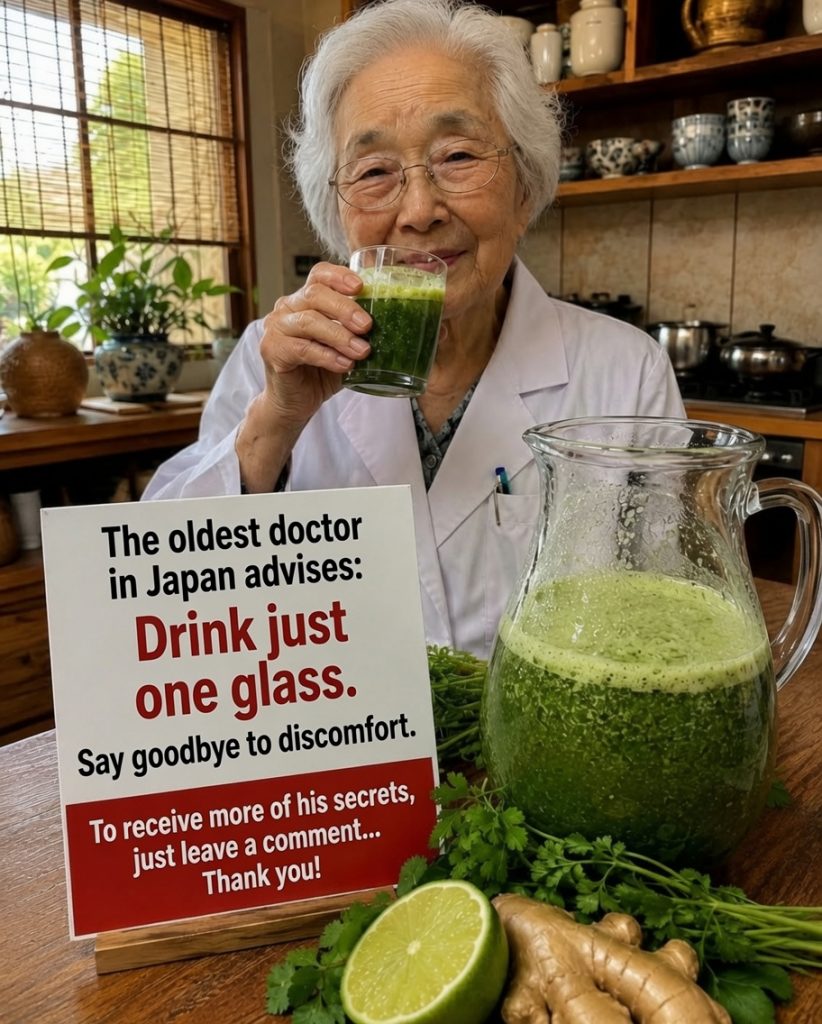
Daily Green Drinks: Are They Really Good for Your Health or Just Another Wellness Trend?
Green drinks have become one of the most popular wellness trends in recent years. Social media is filled with videos claiming that a single glass of green juice each morning can detox your body, melt away fat, boost energy, and even slow aging.
But how much of that is supported by science?
The truth lies somewhere between the hype and reality. A well-made green drink can certainly contribute to a healthy diet, but it is not a miracle solution. Understanding what these beverages can—and cannot—do will help you make informed choices without unrealistic expectations.
In this article, we’ll explore the nutritional value of daily green drinks, the health benefits supported by current evidence, common myths, and tips for making healthier choices.
What Is a Green Drink?
A green drink is a beverage prepared primarily from vegetables, leafy greens, herbs, and sometimes fruits. It may be homemade using fresh ingredients or purchased as a powdered supplement.
Common ingredients include:
- Spinach
- Kale
- Cucumber
- Celery
- Green apple
- Parsley
- Mint
- Ginger
- Lemon
- Matcha
- Wheatgrass
- Spirulina
- Chlorella
Each ingredient contributes its own vitamins, minerals, antioxidants, and plant compounds.
Why Have Green Drinks Become So Popular?
Many people enjoy green drinks because they are:
- Convenient
- Easy to prepare
- Refreshing
- Rich in vegetables
- A simple way to increase nutrient intake
For people who struggle to eat enough vegetables each day, a green smoothie or juice can help bridge the gap.
Evidence-Based Benefits of Green Drinks
When made with whole-food ingredients and enjoyed as part of a balanced diet, green drinks may provide several health benefits.
1. Increase Vegetable Intake
Many adults do not eat enough vegetables.
Adding spinach, kale, cucumber, or celery to a smoothie makes it easier to consume a wider variety of nutrient-rich foods.
2. Provide Vitamins and Minerals
Leafy greens naturally contain nutrients such as:
- Vitamin A
- Vitamin C
- Vitamin K
- Folate
- Magnesium
- Potassium
These nutrients support many normal body functions, including immune health, bone health, and energy metabolism.
3. Supply Antioxidants
Green vegetables are rich in antioxidants that help protect cells from oxidative stress caused by free radicals.
A diet rich in antioxidant-containing foods is associated with better overall health.
4. Support Healthy Digestion
Whole green smoothies retain dietary fiber, which supports:
- Regular bowel movements
- Healthy digestion
- A balanced gut microbiome
- Feelings of fullness
Fiber is one of the greatest nutritional advantages of homemade green smoothies.
5. Help Maintain Hydration
Many green drink ingredients, including cucumber and celery, contain a high percentage of water.
Combined with adequate daily fluid intake, they contribute to healthy hydration.
6. Support Heart Health
Leafy vegetables, fruits, and herbs naturally fit into heart-healthy eating patterns recommended by nutrition experts.
7. Encourage Healthy Eating Habits
Starting the day with a nutritious beverage may encourage healthier food choices throughout the day.
Healthy routines often build upon one another.
Common Myths About Green Drinks
Despite their benefits, green drinks are often promoted with exaggerated claims.
Let’s separate fact from fiction.
Myth: Green Drinks Detox the Body
Reality:
Your liver, kidneys, lungs, digestive system, and skin naturally remove waste products from your body.
No juice, powder, or smoothie can replace these complex biological processes.
Green drinks support overall nutrition—but they do not “detox” your body.
Myth: Green Drinks Burn Fat
Reality:
There is no evidence that green drinks directly burn body fat.
Weight loss occurs when overall calorie intake remains below calorie expenditure over time.
Green drinks may support weight management by replacing higher-calorie beverages or increasing feelings of fullness, but they are not fat-burning products.
Myth: One Glass Replaces Vegetables
Reality:
Whole vegetables provide fiber and a wide range of nutrients.
Green drinks should complement—not replace—a balanced diet rich in whole foods.
Myth: More Is Always Better
Reality:
Consuming excessive amounts of concentrated greens or supplements may not provide additional benefits.
Moderation remains important.
Are Commercial Green Powders Worth Buying?
Not all green powders are created equally.
Some products contain:
- Added sugars
- Artificial flavors
- Fillers
- Low amounts of vegetables
- Proprietary blends with unclear ingredient quantities
When choosing a product:
- Read the ingredient list carefully.
- Look for transparent labeling.
- Avoid products making unrealistic health claims.
- Choose brands with third-party quality testing whenever possible.
How to Make a Healthy Homemade Green Smoothie
Ingredients
- 1 cup spinach or kale
- ½ cucumber
- 1 green apple
- Juice of half a lemon
- A small piece of fresh ginger
- 1 cup water
- Ice cubes (optional)
Optional additions:
- Chia seeds
- Ground flaxseed
- Plain Greek yogurt
- Unsweetened plant-based milk
Instructions
- Wash all ingredients thoroughly.
- Chop the vegetables and fruit.
- Add everything to a blender.
- Blend until smooth.
- Enjoy immediately.
Leaving the pulp intact preserves valuable dietary fiber.
Who Should Be Careful?
Although green drinks are generally safe for most healthy adults, certain individuals should consult a healthcare professional before using concentrated green supplements.
This includes people who:
- Take blood-thinning medications
- Have kidney disease
- Have digestive disorders
- Are pregnant or breastfeeding
- Have food allergies
Homemade smoothies made from ordinary vegetables are usually well tolerated as part of a balanced diet.
Healthy Habits Matter More Than Any Single Drink
Even the healthiest green smoothie cannot replace a healthy lifestyle.
The strongest scientific evidence continues to support:
- Eating a balanced diet
- Exercising regularly
- Sleeping seven to nine hours each night
- Managing stress
- Staying hydrated
- Avoiding tobacco
- Limiting alcohol
- Keeping regular medical checkups
These habits have a far greater impact on long-term health than any individual beverage.
Frequently Asked Questions
Can green drinks replace meals?
Generally, no. Most green drinks are low in protein and healthy fats, making them better suited as snacks or part of a meal rather than complete meal replacements.
Is it better to juice or blend vegetables?
Blending usually retains more dietary fiber, making smoothies a more filling option.
Can I drink a green smoothie every day?
Yes. Many people enjoy one daily as part of a balanced diet, provided it contains a variety of nutritious ingredients.
Do green powders work as well as fresh vegetables?
Fresh vegetables generally provide the most complete nutritional package, although quality green powders may offer convenience when fresh produce is unavailable.
Final Thoughts
A daily green drink can be a convenient and enjoyable way to increase your intake of vegetables, vitamins, minerals, antioxidants, and fiber. When prepared with wholesome ingredients, it supports healthy eating habits and contributes to overall wellness.
However, it is important to keep expectations realistic. Green drinks do not detox the body, burn fat overnight, or replace a balanced diet. Their greatest value lies in helping you consistently consume more nutrient-rich foods as part of a healthy lifestyle.
If you enjoy the taste and convenience, a homemade green smoothie can become a refreshing daily habit—one that complements, rather than replaces, the foundations of good health.
Disclaimer: This article is intended for educational purposes only and should not be considered medical advice. Green drinks and dietary supplements are not intended to diagnose, treat, cure, or prevent any disease. Consult a qualified healthcare professional before making significant dietary changes, especially if you have a medical condition or take prescription medications.