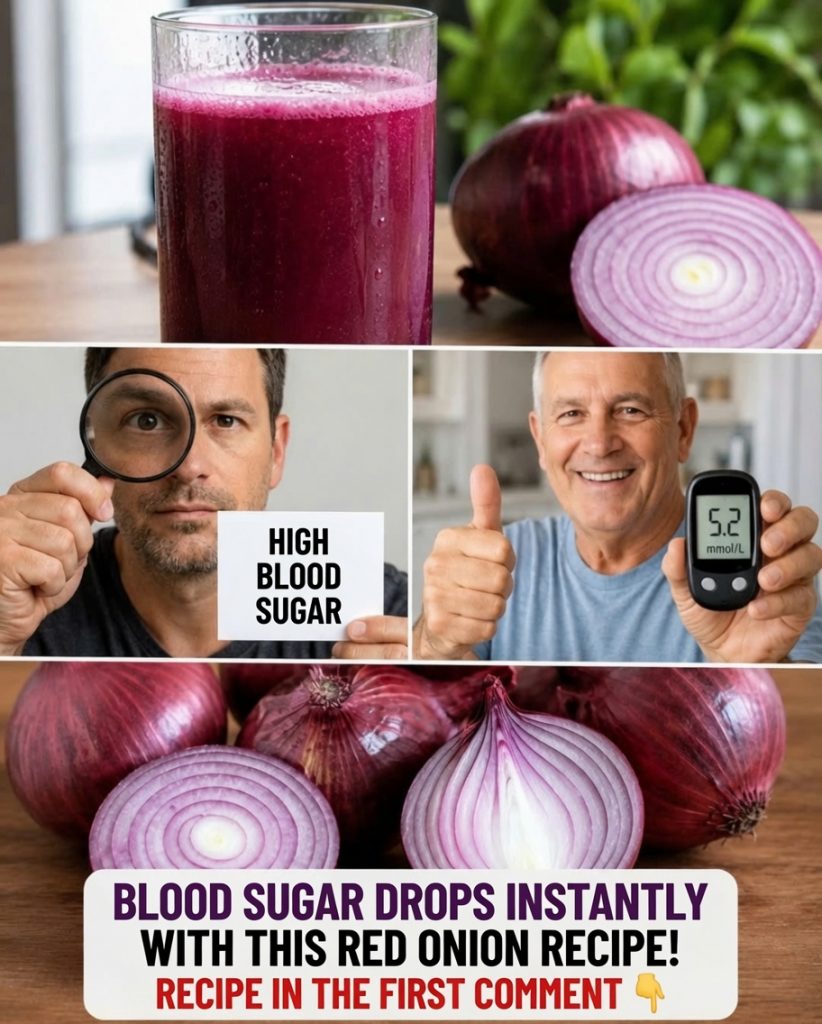
Purple Onion: Nutrition, Health Benefits, and an Easy Recipe for a Balanced Diet
Purple Onion: A Flavorful Vegetable Rich in Antioxidants
Purple onions are more than a colorful addition to salads and cooked dishes. They are naturally rich in antioxidants, vitamins, minerals, and plant compounds that make them a nutritious ingredient for everyday meals.
Although no single food can control blood sugar or replace medical treatment, including vegetables like purple onions as part of a balanced diet may support overall health and help diversify nutrient intake.
In this article, you’ll discover why purple onions are valued in healthy cooking, learn an easy sautéed onion recipe, and explore practical tips for preparing them while preserving their flavor.
Why Are Purple Onions So Popular?
Purple onions stand out because of their vibrant color, crisp texture, and slightly sweet taste.
Their purple pigment comes from anthocyanins, natural antioxidants also found in blueberries, grapes, and red cabbage.
Purple onions also provide:
- Vitamin C
- Dietary fiber
- Potassium
- Small amounts of chromium
- Sulfur-containing plant compounds
- Quercetin, a naturally occurring flavonoid
These nutrients contribute to the vegetable’s nutritional value and make it a healthy addition to many meals.
Nutritional Highlights
Quercetin
Purple onions are one of the richest dietary sources of quercetin, an antioxidant that has been widely studied for its role in protecting cells from oxidative stress.
Researchers continue to investigate quercetin’s potential effects on cardiovascular and metabolic health, although more human studies are needed.
Anthocyanins
The deep purple color of the onion comes from anthocyanins, plant pigments known for their antioxidant properties.
Eating a variety of colorful fruits and vegetables helps increase antioxidant intake as part of a balanced diet.
Sulfur Compounds
Like garlic and other members of the allium family, onions contain sulfur compounds that contribute to their distinctive aroma and flavor.
These natural compounds are an active area of nutrition research.
Potential Health Benefits
As part of an overall healthy eating pattern, purple onions may:
- Provide antioxidant compounds
- Increase vegetable consumption
- Add dietary fiber to meals
- Support a varied, plant-rich diet
- Offer a flavorful alternative to processed seasonings
No single food has been proven to lower blood sugar on its own, but eating more vegetables can contribute to overall dietary quality.
A Simple Tip for Peeling Purple Onions
Peeling onions can sometimes be inconvenient.
One popular kitchen trick is:
- Trim both ends of the onion.
- Make a shallow cut through the outer skin.
- Microwave for about 15–20 seconds.
This may loosen the outer peel, making it easier to remove. Be careful when handling the onion afterward, as it may be hot.
Quick Sautéed Purple Onion Recipe
Ingredients
- 2 medium purple onions
- 1–2 tablespoons extra virgin olive oil
- A pinch of sea salt
- A squeeze of fresh lemon juice or a splash of balsamic vinegar
- Fresh herbs (optional)
Instructions
- Peel and thinly slice the onions.
- Heat the olive oil over medium heat.
- Add the onions and season lightly with salt.
- Cook for about 5–7 minutes, stirring occasionally until they become tender while retaining a slight crunch.
- Remove from the heat.
- Finish with fresh lemon juice or balsamic vinegar before serving.
Serve alongside grilled fish, chicken, roasted vegetables, or whole grains for a balanced meal.
Cooking Methods Compared
| Cooking Method | Texture | Nutritional Considerations |
|---|---|---|
| Raw | Crisp and pungent | Retains heat-sensitive nutrients |
| Quick sauté (5–7 minutes) | Tender with slight crunch | Preserves flavor while softening texture |
| Long simmering | Very soft and sweet | Some water-soluble nutrients may be reduced |
No single cooking method is “best.” Choosing different preparation styles helps add variety to your meals.
Healthy Ways to Include Purple Onions in Your Diet
Purple onions pair well with many foods, including:
- Mixed green salads
- Whole-grain bowls
- Avocado toast
- Homemade salsa
- Vegetable soups
- Omelets
- Grilled vegetables
- Sandwiches and wraps
Using onions regularly is an easy way to increase vegetable intake without adding many calories.
Frequently Asked Questions
Can purple onions lower blood sugar?
Purple onions are nutritious and contain antioxidants and fiber, but there is no evidence that eating them alone can lower blood sugar or replace diabetes treatment.
Are purple onions healthier than yellow onions?
Both varieties are nutritious. Purple onions generally contain higher levels of anthocyanins because of their natural pigmentation, while yellow onions also provide valuable nutrients and antioxidants.
How often can I eat purple onions?
Most healthy adults can safely include onions in their regular diet as part of a balanced eating pattern.
Can cooked onions still be nutritious?
Yes. Although cooking may reduce some heat-sensitive nutrients, cooked onions still provide fiber, minerals, and many beneficial plant compounds.
Tips for Supporting Healthy Blood Sugar
Rather than relying on a single ingredient, maintaining healthy blood sugar involves long-term lifestyle habits such as:
- Eating plenty of vegetables
- Choosing whole grains more often
- Limiting highly processed foods
- Staying physically active
- Maintaining a healthy body weight
- Following your healthcare provider’s recommendations if you have diabetes or prediabetes
These habits have stronger scientific support than any individual food.
Final Thoughts
Purple onions are an affordable, versatile vegetable that adds flavor, color, and valuable nutrients to everyday meals.
Their natural antioxidants, fiber, and plant compounds make them an excellent choice for anyone looking to enjoy a more balanced diet. While they are not a treatment for diabetes or high blood sugar, they can play a valuable role in healthy cooking and overall wellness.
Simple recipes like lightly sautéed purple onions make it easy to enjoy their delicious flavor while increasing your daily vegetable intake.