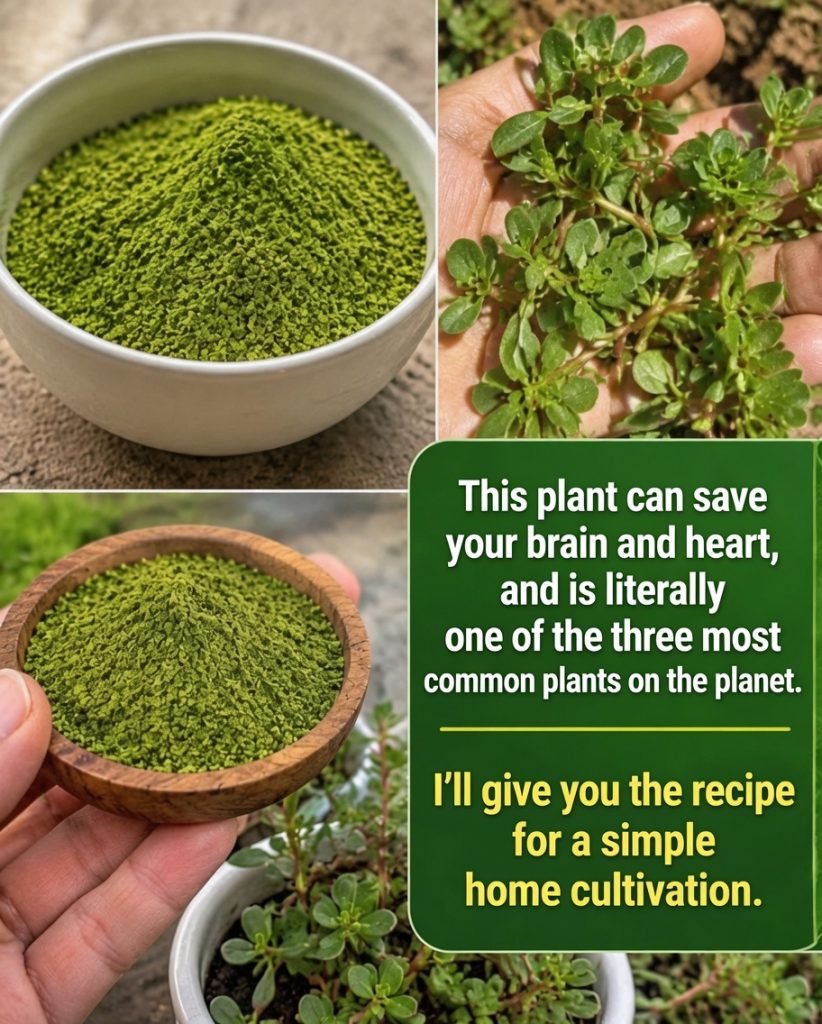
Purslane (Verdolaga / Beldroega): Benefits, Nutrition, and How to Eat This Powerful Superfood
Purslane, also known as verdolaga or beldroega (Portulaca oleracea), is a succulent plant often dismissed as a common weed. In reality, it is one of the most nutrient-dense edible plants available — sometimes called a “superfood” because of its impressive nutritional profile.
Rich in plant-based omega-3s, antioxidants, vitamins, and minerals, purslane has been used in traditional cuisines and natural medicine for centuries. In this article, you’ll learn about its benefits, nutritional value, and the best ways to include it in your daily diet.
What is Purslane?
Purslane is a hardy, succulent plant with small, fleshy leaves and reddish stems. It grows easily in gardens, sidewalks, and moist soils. Despite being overlooked in many places, it is widely consumed in Mediterranean, Middle Eastern, and Asian cuisines for both its flavor and health benefits.
Key Health Benefits of Purslane
Here are the main reasons why purslane stands out as a nutritional powerhouse:
1. Excellent Source of Plant-Based Omega-3 Purslane is one of the richest plant sources of alpha-linolenic acid (ALA), a type of omega-3 fatty acid. It supports heart health, helps reduce inflammation, and contributes to healthy cholesterol levels.
2. High in Antioxidants It contains vitamin C, vitamin A, beta-carotene, glutathione, and flavonoids. These compounds help fight free radicals and support healthy aging.
3. May Help Support Blood Sugar Balance Some studies suggest that purslane can help maintain healthy blood sugar levels when consumed as part of a balanced diet.
4. Supports Digestive Health Thanks to its fiber and natural mucilage content, purslane may help improve bowel regularity and support gut health.
5. Good for Bone Health It provides important minerals such as calcium, magnesium, potassium, and iron, which are essential for strong bones and electrolyte balance.
6. Natural Anti-Inflammatory Properties The bioactive compounds in purslane may help modulate inflammation in the body.
7. Supports Skin Health Its antioxidants and nutrients are traditionally used to support skin regeneration and overall skin health.
Nutritional Profile of Purslane
Purslane is considered a functional food because it contains:
- Plant-based omega-3 fatty acids
- Vitamins A, C, and E
- B-complex vitamins
- Important minerals (calcium, magnesium, iron, potassium)
- Antioxidants and flavonoids
- Dietary fiber
It is low in calories but very high in nutrients.
How to Eat Purslane
Purslane is versatile and can be eaten in many ways:
- Raw — Add fresh leaves to salads (wash thoroughly first)
- Sautéed — Lightly cook with garlic and olive oil
- In soups — Add toward the end of cooking
- In green smoothies — Blend with lemon, apple, and ginger
- As tea — Made from fresh or dried leaves
How to Make Purslane Tea
Ingredients:
- 1 tablespoon fresh or dried purslane leaves
- 1 cup of water
Preparation:
- Boil the water.
- Add the purslane leaves.
- Let it steep for 10 minutes.
- Strain and drink warm.
Important Precautions
Although purslane is very nutritious, it contains oxalates. People with a history of kidney stones or kidney disease should consume it in moderation or consult a doctor first.
Pregnant women should also seek medical advice before using it regularly in large amounts.
Is Purslane Really a Superfood?
Purslane offers an impressive combination of omega-3s, antioxidants, and minerals for such an accessible and easy-to-grow plant. It can be an excellent addition to a healthy, balanced diet.
However, like any natural food, it is not a miracle cure and should complement — not replace — medical treatment when needed.
Final Thoughts
Purslane (verdolaga) is a powerful, nutritious, and often overlooked plant that deserves more attention. From supporting heart and digestive health to providing plant-based omega-3s, it proves that some of nature’s best superfoods grow right in our gardens or even as “weeds.”
Start adding fresh purslane to your salads or try the tea — your body may thank you for it.
Would you like simple recipes using purslane? Let me know in the comments!
Disclaimer: This article is for informational purposes only. Purslane contains oxalates and may not be suitable for everyone. Consult a healthcare professional before using it therapeutically, especially if you have kidney issues or are pregnant.