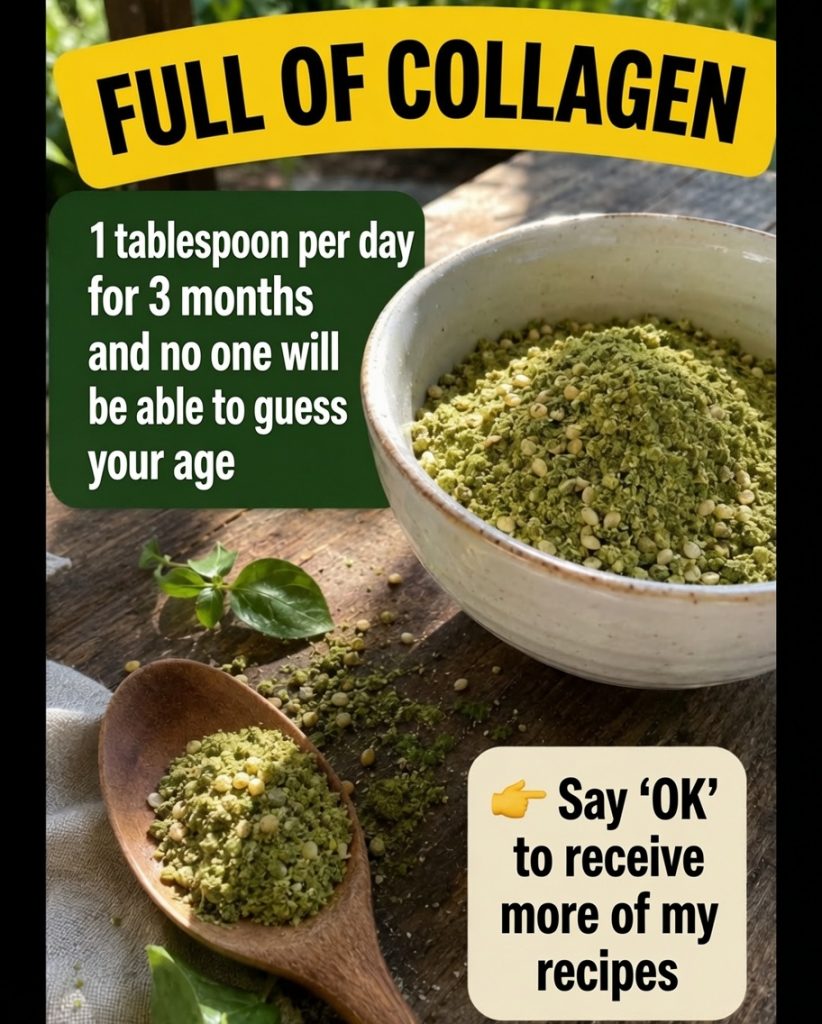
Moringa for Natural Collagen Support: Benefits, Recipe, and How to Use It Safely
Published: May 26, 2026
As we age, our body’s natural collagen production gradually declines. Daily exposure to sunlight, stress, poor nutrition, and environmental factors can accelerate this process, contributing to wrinkles, reduced skin elasticity, brittle nails, weaker hair, and less flexible joints.
While no single food can replace collagen or stop the aging process, a nutrient-rich diet can help support your body’s natural collagen production. One plant that has gained increasing attention is moringa (Moringa oleifera)—a highly nutritious leafy plant valued for its impressive vitamin, mineral, and antioxidant content.
This article explores how moringa may support healthy collagen production, its nutritional benefits, a simple recipe to incorporate it into your routine, and important safety considerations.
What Is Moringa?
Moringa, often called the “miracle tree,” is a tropical plant whose leaves are rich in essential nutrients. For centuries, it has been used in traditional diets across Asia, Africa, and Latin America.
Moringa leaves contain a variety of nutrients that support overall wellness, including:
- Vitamin C
- Vitamin A
- Vitamin E
- Iron
- Zinc
- Calcium
- Magnesium
- Potassium
- Plant protein
- Essential amino acids
- Polyphenols
- Flavonoids
Because collagen synthesis depends on several vitamins and amino acids, these nutrients may help support the body’s natural collagen-building process as part of a balanced diet.
How Moringa May Support Natural Collagen Production
Collagen is produced inside the body rather than absorbed directly from most foods. Your body requires specific nutrients to manufacture it effectively.
Moringa provides several of these important nutrients:
Vitamin C
Vitamin C plays a crucial role in collagen synthesis and helps protect collagen fibers from oxidative stress.
Amino Acids
Collagen is made from amino acids, and moringa supplies plant-based protein along with several essential amino acids involved in tissue maintenance.
Antioxidants
The antioxidants naturally found in moringa help protect cells against oxidative damage caused by free radicals.
Vitamin A
Vitamin A supports normal skin renewal and healthy epithelial tissues.
Zinc
Zinc contributes to normal wound healing and healthy skin maintenance.
Potential Benefits of Including Moringa in a Healthy Lifestyle
When consumed as part of a balanced diet, moringa may help support:
- Healthy skin appearance
- Natural collagen production
- Skin elasticity
- Healthy hair growth
- Stronger nails
- Joint health
- Immune function
- Natural energy levels
- Healthy digestion
- Antioxidant protection
- Healthy circulation
- Blood sugar balance already within the normal range
- Eye health
- Cellular repair
- Healthy inflammatory responses
- Overall nutritional wellness
Individual results vary, and these benefits should not be considered guaranteed outcomes.
Natural Moringa Drink Recipe
Ingredients
- 1 tablespoon moringa powder
- 1 tablespoon ground flaxseeds or sunflower seeds
- Juice of 1 fresh lemon
- 1 cup (250 ml) water
- 1 teaspoon honey (optional)
Instructions
- Pour the water into a blender or glass.
- Add the moringa powder.
- Mix in the flaxseeds or sunflower seeds.
- Squeeze in the fresh lemon juice.
- Blend or stir until smooth.
- Add honey if desired.
- Serve immediately.
Suggested Use
Many people choose to enjoy:
- One serving daily
- Preferably in the morning
- As part of a balanced diet and healthy lifestyle
There is no medically established schedule for taking moringa, and individual needs may differ.
Why These Ingredients Work Well Together
Moringa
Provides vitamins, minerals, antioxidants, and plant protein.
Lemon
Adds vitamin C, which supports normal collagen formation.
Flaxseeds or Sunflower Seeds
Supply healthy fats, vitamin E, minerals, and fiber.
Honey (Optional)
Adds natural sweetness without altering the nutritional profile significantly.
Together, these ingredients create a refreshing beverage rich in nutrients that support overall wellness.
Additional Tips for Healthy Skin
Healthy skin depends on more than one ingredient. Consider these daily habits:
- Drink enough water
- Eat plenty of colorful fruits and vegetables
- Include quality protein sources
- Limit highly processed foods
- Get adequate sleep
- Exercise regularly
- Protect your skin with sunscreen
- Avoid smoking
These lifestyle habits help support skin health from the inside out.
Safety Considerations
Although moringa is widely consumed as a food, it may not be appropriate for everyone.
Before adding moringa regularly to your diet:
- Consult your healthcare provider if you are pregnant or breastfeeding.
- Speak with your doctor if you take medication for diabetes or blood pressure, as moringa may influence blood sugar or blood pressure.
- Start with a small amount to assess your tolerance.
- Excessive intake may cause mild digestive discomfort in some people.
Natural foods should complement—not replace—medical treatment or prescribed medications.
Frequently Asked Questions
Does moringa contain collagen?
No. Moringa does not contain collagen, but it provides nutrients that help support the body’s natural collagen production.
How long does it take to notice results?
Everyone is different. Improvements in overall wellness depend on nutrition, lifestyle, age, and individual health status.
Can moringa replace collagen supplements?
No. Moringa and collagen supplements serve different purposes. Moringa supplies nutrients that support normal collagen synthesis but does not replace collagen peptides.
Final Thoughts
Moringa is one of the most nutrient-dense leafy plants available and can be a valuable addition to a balanced diet. Its rich supply of vitamin C, antioxidants, amino acids, and essential minerals may help support the body’s natural collagen production while contributing to healthy skin, hair, nails, and overall wellness.
Rather than relying on a single “miracle” ingredient, focus on consistent healthy habits, good nutrition, regular physical activity, adequate hydration, and proper skincare. Together, these practices offer the best long-term support for healthy aging and vibrant skin.