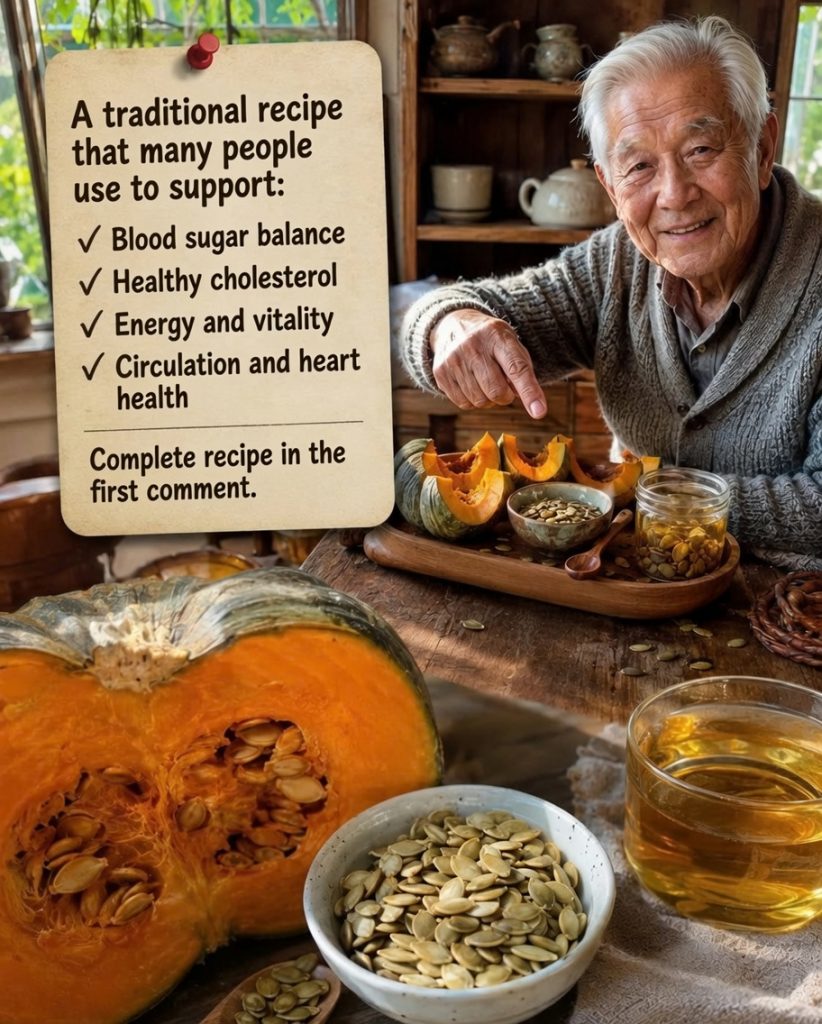
Pumpkin for Blood Sugar, Cholesterol, and Heart Health: Natural Ways to Support a Healthy Lifestyle
Why Pumpkin Deserves More Attention in a Healthy Diet
Pumpkin is often associated with seasonal recipes, soups, and desserts, but this colorful vegetable offers much more than great flavor. Rich in fiber, antioxidants, vitamins, and essential minerals, pumpkin has become a popular choice among people looking to support healthy blood sugar levels, maintain balanced cholesterol, and promote overall cardiovascular wellness.
While no single food can prevent or cure disease, pumpkin can be a valuable part of a nutritious eating plan. Its naturally occurring compounds may help support metabolic health when combined with regular physical activity, adequate hydration, and other healthy lifestyle habits.
In this guide, you’ll discover:
- The nutritional value of pumpkin
- How pumpkin may support blood sugar management
- Its role in heart and artery health
- Easy homemade pumpkin recipes
- Tips for including pumpkin in a balanced diet
- Common mistakes to avoid
- Frequently asked questions
Let’s explore why this humble vegetable has earned a place in many health-conscious kitchens around the world.
Understanding Pumpkin’s Nutritional Profile
Pumpkin is surprisingly nutrient-dense while remaining low in calories.
A one-cup serving of cooked pumpkin provides important nutrients such as:
- Dietary fiber
- Vitamin A (from beta-carotene)
- Vitamin C
- Vitamin E
- Potassium
- Magnesium
- Various plant antioxidants
Because pumpkin contains significant amounts of water and fiber, it can help create a feeling of fullness while fitting easily into many meal plans.
Key Nutrients Found in Pumpkin
| Nutrient | Potential Role |
|---|---|
| Beta-carotene | Supports eye and immune health |
| Fiber | Helps digestive health and satiety |
| Potassium | Supports healthy blood pressure |
| Vitamin C | Antioxidant support |
| Magnesium | Supports muscle and nerve function |
| Antioxidants | Help combat oxidative stress |
Can Pumpkin Help Support Healthy Blood Sugar Levels?
One reason pumpkin has attracted attention is its fiber content.
Dietary fiber slows the digestion and absorption of carbohydrates. This process may help reduce rapid spikes in blood sugar after meals when pumpkin is consumed as part of a balanced diet.
Why Fiber Matters
When meals contain fiber:
- Digestion occurs more gradually
- Feelings of fullness may last longer
- Blood sugar fluctuations may become less dramatic
- Overall diet quality tends to improve
It’s important to understand that pumpkin is not a treatment for diabetes. However, replacing highly processed foods with fiber-rich vegetables like pumpkin may support healthier eating patterns.
Pumpkin and Glycemic Impact
Many people are surprised to learn that pumpkin can have a moderate glycemic index. However, its glycemic load is generally lower because typical serving sizes contain relatively modest amounts of carbohydrates.
For better blood sugar balance, pair pumpkin with:
- Lean protein
- Healthy fats
- Whole grains
- Legumes
This combination may help create a more balanced meal.
Pumpkin and Cholesterol: What Makes It Helpful?
Maintaining healthy cholesterol levels involves many factors, including diet, exercise, weight management, and genetics.
Pumpkin contains soluble fiber, which may contribute to heart-friendly eating habits.
How Soluble Fiber Works
Soluble fiber forms a gel-like substance in the digestive tract. This process may help:
- Support healthy digestion
- Promote satiety
- Assist the body’s natural cholesterol management processes
Foods rich in soluble fiber are commonly recommended as part of heart-conscious dietary patterns.
Additional Heart-Friendly Nutrients
Pumpkin also provides antioxidants that help protect cells from oxidative stress. Oxidative stress is associated with normal aging and various chronic health concerns.
By including antioxidant-rich foods regularly, individuals may support overall cardiovascular wellness.
Supporting Healthy Arteries Through Better Nutrition
Healthy arteries play a critical role in transporting oxygen and nutrients throughout the body.
A diet emphasizing fruits, vegetables, whole foods, and healthy fats is widely recognized as beneficial for cardiovascular health.
Pumpkin contributes to this approach through:
1. Antioxidant Protection
The bright orange color of pumpkin comes from carotenoids, including beta-carotene.
These compounds help neutralize free radicals, which are unstable molecules that can contribute to oxidative stress.
2. Potassium Support
Potassium helps balance sodium levels in the body and supports normal blood pressure regulation.
Many adults consume less potassium than recommended, making vegetables like pumpkin valuable additions to daily meals.
3. Low Saturated Fat Content
Pumpkin is naturally low in saturated fat, making it suitable for many heart-conscious eating plans.
Easy Homemade Pumpkin Recipes for Wellness
The following recipes are designed to support a balanced lifestyle and can easily fit into a healthy meal plan.
Recipe 1: Cinnamon Pumpkin Mash
Ingredients
- 1 cup cooked pumpkin
- A pinch of cinnamon
- Optional: a sprinkle of nutmeg
Directions
- Steam or boil pumpkin until soft.
- Mash until smooth.
- Add cinnamon and mix thoroughly.
Serving Suggestion
Enjoy as a side dish alongside lean protein and vegetables.
Why People Like It
The combination of pumpkin and cinnamon creates a naturally sweet flavor without added sugar.
Recipe 2: Pumpkin Oat Smoothie
Ingredients
- ½ cup cooked pumpkin
- 1 tablespoon rolled oats
- 1 teaspoon ground flaxseed
- 1 cup water or unsweetened milk
- Ice cubes
Directions
- Blend all ingredients until smooth.
- Serve immediately.
Benefits
This smoothie combines fiber from multiple sources, making it a satisfying snack or breakfast option.
Recipe 3: Savory Pumpkin Garlic Soup
Ingredients
- 1 cup cooked pumpkin
- 1 small garlic clove
- 1 tablespoon extra-virgin olive oil
- Vegetable broth
Directions
- Blend pumpkin and garlic.
- Add broth until desired consistency is reached.
- Warm gently before serving.
- Drizzle with olive oil.
Why It’s Popular
This comforting soup combines vegetables, healthy fats, and rich flavor while remaining relatively light.
The Often-Overlooked Power of Pumpkin Seeds
Many people discard pumpkin seeds without realizing they contain valuable nutrients.
Pumpkin seeds provide:
- Magnesium
- Zinc
- Healthy fats
- Plant protein
- Antioxidants
Potential Benefits of Pumpkin Seeds
Including moderate amounts of pumpkin seeds in your diet may help support:
- Heart health
- Normal immune function
- Muscle recovery
- Overall nutritional intake
Simple Ways to Enjoy Pumpkin Seeds
- Sprinkle on salads
- Add to oatmeal
- Mix into yogurt
- Use as a snack
Choose unsalted varieties whenever possible.
Additional Lifestyle Habits That Support Metabolic Health
No food works in isolation.
Long-term wellness depends on consistent daily habits.
Stay Physically Active
Regular movement may help:
- Support healthy blood sugar regulation
- Improve cardiovascular fitness
- Maintain muscle mass
- Enhance overall well-being
Even simple activities such as walking can be beneficial.
Prioritize Sleep
Sleep plays an important role in:
- Hormone regulation
- Appetite control
- Energy balance
- Metabolic function
Aim for consistent, quality sleep whenever possible.
Stay Hydrated
Water supports countless processes throughout the body.
Proper hydration assists:
- Digestion
- Circulation
- Nutrient transport
- Kidney function
Focus on Whole Foods
Build meals around:
- Vegetables
- Fruits
- Whole grains
- Lean proteins
- Healthy fats
This approach often provides more benefits than focusing on any single “superfood.”
Common Mistakes When Eating Pumpkin
Although pumpkin is nutritious, certain preparation methods may reduce its health benefits.
Adding Excess Sugar
Pumpkin desserts often contain large amounts of sugar.
Try using spices such as:
- Cinnamon
- Nutmeg
- Ginger
to enhance flavor naturally.
Deep Frying
Fried pumpkin dishes may add unnecessary calories and unhealthy fats.
Roasting, steaming, or baking are generally better options.
Oversized Portions
Even nutritious foods are best enjoyed as part of a balanced diet.
Moderation remains important.
Relying on Pumpkin Alone
Pumpkin should complement—not replace—a varied eating pattern.
No single food can provide every nutrient the body requires.
Frequently Asked Questions
Is pumpkin safe for people watching their blood sugar?
Pumpkin can fit into many balanced eating plans. Portion size and meal composition remain important. Individuals with diabetes should follow guidance from their healthcare providers.
How often can I eat pumpkin?
Most people can enjoy pumpkin several times per week as part of a varied diet.
Are canned pumpkins healthy?
Plain canned pumpkin can be nutritious. Check labels carefully and avoid products with added sugars whenever possible.
Which is healthier: pumpkin flesh or pumpkin seeds?
Both offer different nutritional benefits. The flesh provides vitamins and fiber, while seeds contribute protein, minerals, and healthy fats.
Can pumpkin improve heart health?
Pumpkin contains nutrients that support a heart-conscious diet, but heart health depends on many lifestyle factors, including exercise, sleep, stress management, and overall dietary patterns.
Final Thoughts
Pumpkin is far more than a seasonal ingredient. Its combination of fiber, vitamins, minerals, and antioxidants makes it a valuable addition to a balanced diet focused on long-term wellness.
Whether enjoyed as a warm soup, a nourishing smoothie, a simple mash, or through its nutrient-rich seeds, pumpkin offers versatile ways to support healthy eating habits.
Remember that sustainable health is built through consistent daily choices rather than quick fixes. Combining nutrient-dense foods like pumpkin with regular physical activity, adequate hydration, quality sleep, and professional medical guidance when needed remains the most effective path toward overall well-being.
Disclaimer
This article is intended for educational and informational purposes only. It does not diagnose, treat, cure, or prevent any disease. Always consult a qualified healthcare professional regarding medical concerns, dietary changes, or treatment decisions.