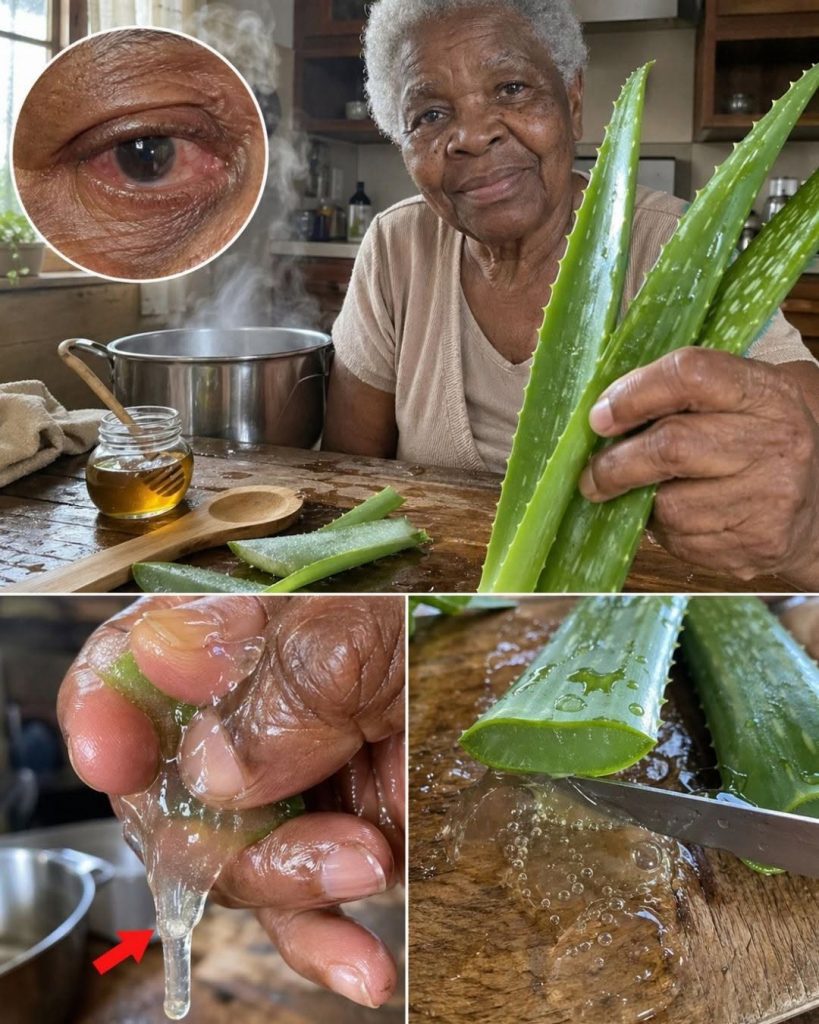
Aloe Vera and Eye Health: What Science Says About Natural Wellness Habits
Understanding the Facts Behind Aloe Vera and Vision Health
When concerns about vision changes or long-term health arise, many people search for natural remedies that promise quick solutions. Social media is filled with claims suggesting that certain plants, supplements, or homemade recipes can dramatically improve eyesight or prevent serious health conditions.
Among the most popular ingredients is aloe vera, a plant that has been used for centuries in traditional wellness practices. But what does modern science actually say about aloe vera and eye health?
The answer is more nuanced than many viral posts suggest.
While aloe vera contains beneficial plant compounds and antioxidants, there is currently no scientific evidence showing that it can prevent blindness, reverse vision loss, or cure serious diseases. However, aloe vera may still play a supportive role within a balanced lifestyle focused on overall wellness.
What Is Aloe Vera?
Aloe vera is a succulent plant known for the clear gel found inside its leaves.
Traditionally, aloe vera has been used for:
- Skin hydration
- Minor skin irritation relief
- Cosmetic applications
- Nutritional beverages in some cultures
Researchers continue studying aloe vera because it contains several naturally occurring compounds that may contribute to general health.
Nutrients Found in Aloe Vera
Aloe vera contains a variety of beneficial plant compounds, including:
Vitamins
- Vitamin A
- Vitamin C
- Vitamin E
Antioxidants
These compounds help protect cells from oxidative stress caused by free radicals.
Polysaccharides
Natural plant compounds that contribute to aloe vera’s moisturizing and soothing properties.
Plant-Based Phytonutrients
Aloe vera contains various bioactive substances that continue to be studied for their potential health-supporting effects.
Can Aloe Vera Improve Vision?
Currently, there is no reliable clinical evidence demonstrating that aloe vera directly improves eyesight or prevents age-related vision loss.
Vision health is influenced by multiple factors, including:
- Genetics
- Aging
- Nutrition
- Medical conditions
- UV exposure
- Screen time habits
- Overall lifestyle
No single food or plant can guarantee healthy vision or prevent all eye diseases.
Nutrients That Play a Role in Eye Health
While aloe vera provides antioxidants, several nutrients have stronger scientific support for maintaining healthy vision.
Lutein and Zeaxanthin
These antioxidants are found in:
- Spinach
- Kale
- Collard greens
- Other dark leafy vegetables
They help support the retina and macula.
Vitamin A
Vitamin A is essential for normal vision and eye function.
Good sources include:
- Carrots
- Sweet potatoes
- Pumpkin
- Eggs
Omega-3 Fatty Acids
Omega-3 fats are associated with overall eye health and may help support tear production.
Sources include:
- Salmon
- Sardines
- Mackerel
- Flaxseeds
- Chia seeds
Vitamins C and E
These antioxidants help protect cells from oxidative stress.
Sources include:
- Citrus fruits
- Berries
- Nuts
- Seeds
Aloe Vera: Myths vs. Scientific Reality
| Common Claim | Scientific Evidence |
|---|---|
| Aloe vera cures serious diseases | No evidence supports this claim |
| Aloe vera prevents blindness | No clinical proof exists |
| Aloe vera contains antioxidants | Supported by research |
| A single ingredient can protect long-term health | False; health depends on multiple factors |
| Balanced nutrition supports wellness | Supported by extensive research |
Understanding the difference between popular claims and scientific evidence helps consumers make informed health decisions.
Daily Habits That Support Eye Health
Protecting your vision involves consistent healthy habits rather than relying on any single food or supplement.
Eat a Nutrient-Rich Diet
Focus on:
- Leafy greens
- Colorful vegetables
- Fruits
- Fish
- Nuts and seeds
Protect Your Eyes from UV Exposure
Wear sunglasses that provide UV protection when outdoors.
Manage Screen Time
Long periods of screen use may contribute to eye strain.
Helpful habits include:
- Taking regular breaks
- Adjusting screen brightness
- Maintaining proper viewing distance
Schedule Regular Eye Exams
Routine eye examinations can help detect problems early, often before symptoms become noticeable.
Stay Physically Active
Exercise supports healthy circulation and overall wellness, which can indirectly benefit eye health.
The Role of Antioxidants in Overall Wellness
Antioxidants help neutralize free radicals, which can contribute to cellular stress over time.
In addition to aloe vera, antioxidant-rich foods include:
- Berries
- Green tea
- Spinach
- Citrus fruits
- Tomatoes
- Nuts
The key is variety rather than relying on a single ingredient.
Using Aloe Vera Safely
If you choose to consume aloe vera products, it is important to do so responsibly.
Choose Properly Processed Products
Only use products intended for human consumption from reputable sources.
Remove Aloe Latex
Raw aloe leaves contain a yellow latex layer that may cause digestive discomfort and has laxative effects.
Consume in Moderation
Excessive consumption may cause unwanted side effects.
Consult a Healthcare Professional
Individuals who take medications or have chronic health conditions should seek professional guidance before using aloe vera supplements regularly.
A Balanced Approach to Long-Term Health
The most effective approach to wellness is rarely found in miracle cures or viral remedies.
Research consistently shows that long-term health is supported by:
- Balanced nutrition
- Regular physical activity
- Quality sleep
- Stress management
- Preventive healthcare
- Consistent healthy habits
Natural foods and plants can be valuable additions to this lifestyle, but they work best as part of a broader wellness strategy.
Final Thoughts
Aloe vera is a fascinating plant with a long history of traditional use and several beneficial compounds, including antioxidants and vitamins. However, claims that it can cure diseases, restore vision, or prevent blindness are not supported by current scientific evidence.
When it comes to protecting eye health, the strongest evidence supports a combination of nutritious foods, healthy lifestyle habits, regular eye examinations, and professional medical care.
The true secret to long-term wellness is not a miracle ingredient—it is consistency, balance, and informed decision-making.
Frequently Asked Questions
Can aloe vera improve eyesight?
There is currently no clinical evidence showing that aloe vera directly improves vision. It does contain antioxidants that contribute to overall wellness.
Can any food cure serious diseases?
No. Serious health conditions require appropriate medical diagnosis and treatment.
What is the most important thing for maintaining eye health?
A balanced diet rich in eye-supporting nutrients, regular eye exams, UV protection, and healthy lifestyle habits.
Medical Disclaimer
This article is for educational purposes only and does not constitute medical advice. Always consult a qualified healthcare professional regarding any health concerns, diagnosis, or treatment decisions.