Introduction
Daily exposure to pollution, stress, sun, and changing weather conditions can leave your skin looking dull, tired, and uneven. Many people spend a fortune on skincare products hoping to restore a healthy glow, but sometimes simple kitchen ingredients can offer a gentle and affordable addition to a self-care routine.
One ingredient that has gained popularity in natural beauty circles is cornstarch. Known for its soft texture and oil-absorbing properties, cornstarch is often used in homemade face masks designed to refresh the skin and improve its appearance.
In this guide, you’ll learn how to prepare a simple cornstarch face mask, explore its potential benefits, and discover how to customize it for your skin type.
What Is Cornstarch and Why Is It Used in Skincare?
Cornstarch is a fine powder derived from corn kernels. While it is commonly used in cooking and baking, it has also become a popular ingredient in DIY beauty treatments.
Many people use cornstarch in skincare because it may help:
- Absorb excess oil
- Create a smoother skin texture
- Provide a soothing feel
- Serve as a gentle base for homemade masks
When combined with moisturizing ingredients such as honey, milk, or aloe vera, cornstarch forms a creamy paste that can leave the skin feeling soft and refreshed.
Potential Benefits of a Cornstarch Face Mask
Although cornstarch is not a miracle skincare ingredient, it may offer several cosmetic benefits:
1. Helps Control Excess Oil
Cornstarch naturally absorbs moisture and oil, making it popular among people with oily or combination skin.
2. Promotes a Softer Appearance
A cornstarch mask can help remove surface impurities and leave the skin feeling smoother after rinsing.
3. Soothes Minor Skin Discomfort
Many users report that cornstarch masks provide a calming sensation, especially when paired with gentle ingredients such as rose water or aloe vera.
4. Enhances Skin Radiance
When combined with ingredients like turmeric or honey, a cornstarch mask may help improve the appearance of dull-looking skin.
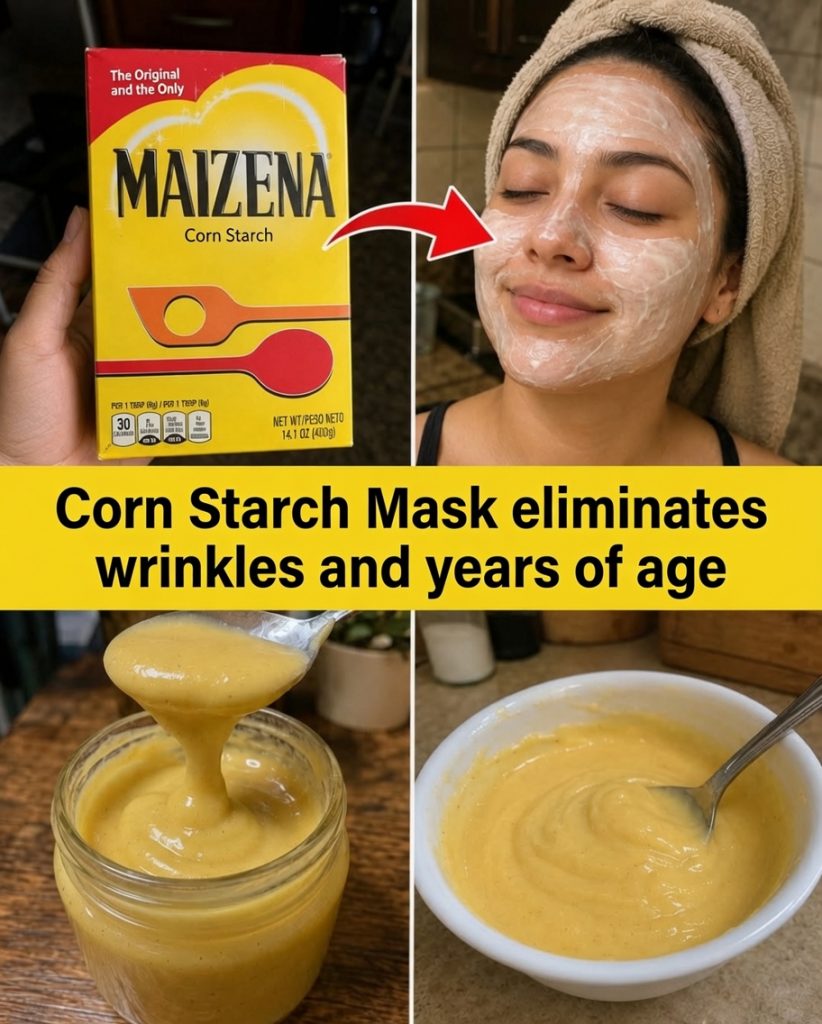
Ingredients for a Basic Cornstarch Face Mask
You only need a few simple ingredients:
- 1 tablespoon cornstarch
- 1 tablespoon honey
- 2–3 teaspoons milk or water
- Optional: a pinch of turmeric
Step-by-Step Instructions
Step 1: Gather Your Supplies
Prepare:
- A small bowl
- A spoon
- A clean towel
Step 2: Mix the Base
Place the cornstarch in the bowl and add the honey.
Step 3: Add Liquid Gradually
Slowly add the milk or water while stirring until a smooth paste forms.
If the mixture becomes too thick, add a few extra drops of liquid.
Step 4: Customize the Recipe
For additional brightness, add a small pinch of turmeric and mix thoroughly.
Step 5: Apply to Clean Skin
Wash your face before applying the mask.
Using clean fingers or a cosmetic brush, spread the mixture evenly across your face, avoiding the eye area.
Step 6: Relax and Let It Sit
Allow the mask to remain on your skin for 10–15 minutes.
As it dries, you may notice a slight tightening sensation.
Step 7: Rinse Thoroughly
Use lukewarm water to gently remove the mask.
Pat your skin dry and apply your favorite moisturizer.
Face Mask Variations for Different Skin Types
| Skin Type | Ingredients | Purpose | Time |
|---|---|---|---|
| Oily Skin | Cornstarch, yogurt, a few drops of lemon juice | Help reduce excess shine | 10 min |
| Dry Skin | Cornstarch, honey, aloe vera | Boost hydration | 15 min |
| Sensitive Skin | Cornstarch, milk, rose water | Gentle soothing effect | 10 min |
Tips for Safe and Effective Use
Perform a Patch Test
Before applying any homemade mask, test a small amount on your inner arm and wait 24 hours to check for reactions.
Start Slowly
Use the mask once per week initially to see how your skin responds.
Make Fresh Batches
Homemade skincare mixtures do not contain preservatives and should be prepared fresh each time.
Moisturize Afterwards
Follow up with a gentle moisturizer to help maintain hydration.
Common Myths About DIY Face Masks
Myth: Homemade Masks Replace Professional Treatments
Reality: DIY masks can complement a skincare routine but are not substitutes for professional dermatological care.
Myth: Leaving a Mask on Longer Gives Better Results
Reality: Excessive use may cause irritation or dryness.
Myth: Results Are Instant and Permanent
Reality: Most cosmetic improvements require consistent care and healthy lifestyle habits.
Frequently Asked Questions
Is cornstarch safe for all skin types?
Most people tolerate cornstarch well, but individuals with allergies or highly sensitive skin should perform a patch test first.
Can I use a cornstarch mask every day?
It is generally better to limit use to once or twice weekly to avoid dryness.
Does cornstarch help with acne?
Cornstarch may absorb excess oil, but it is not a medical acne treatment. Persistent acne should be evaluated by a dermatologist.
Can I store leftover mask mixture?
Fresh preparation is recommended because natural ingredients can spoil quickly.
Conclusion
A homemade cornstarch face mask is an affordable and simple way to explore natural skincare. Its oil-absorbing and skin-softening properties make it a popular addition to many DIY beauty routines.
While it won’t replace professional skincare treatments, it may help refresh your complexion and provide a relaxing self-care experience when used responsibly.
Sometimes the simplest ingredients in your kitchen can become a valuable part of your wellness routine.
Disclaimer
This article is intended for informational and educational purposes only. It is not medical advice and should not replace consultation with a qualified healthcare professional or dermatologist.